






























Markets are watching the midterms as America’s political divide deepens
David Letterman once announced an upcoming midterm election by stating, “you could cut the indifference with a knife.” “It's the day Americans leave work early and pretend to vote,” the late-night talk show legend said. Maybe at the time, people were blasé about their chance to vote mid-way through ...
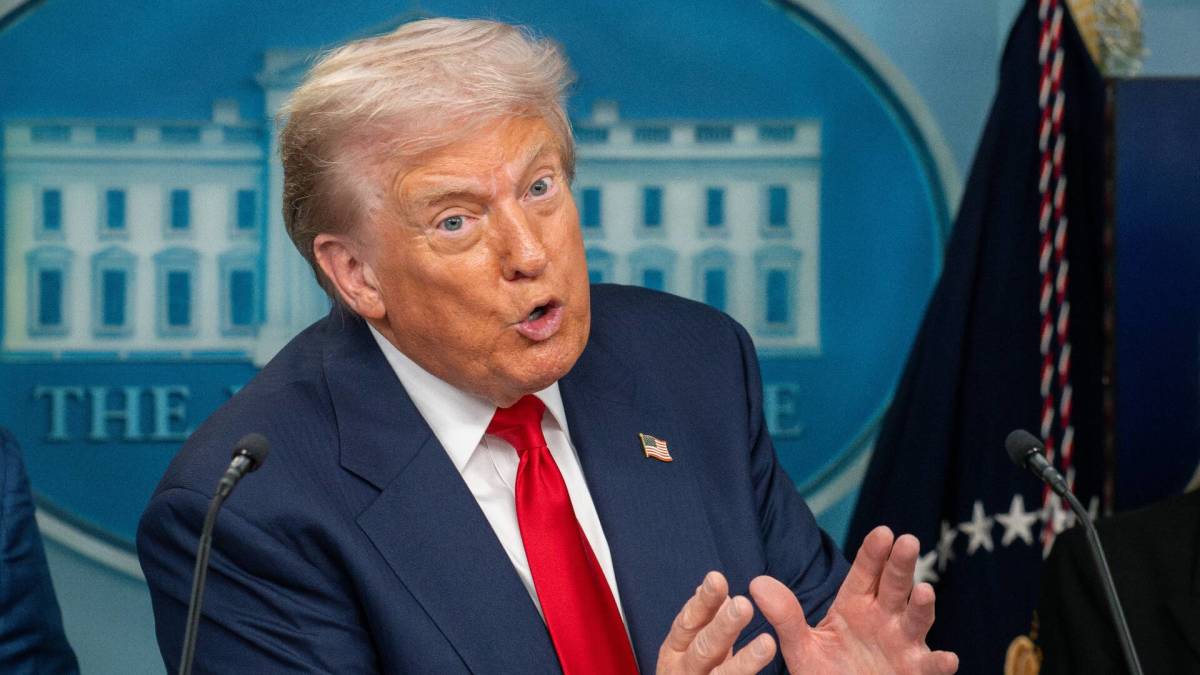
David Letterman once announced an upcoming midterm election by stating, “you could cut the indifference with a knife.”
“It's the day Americans leave work early and pretend to vote,” the late-night talk show legend said.
Maybe at the time, people were blasé about their chance to vote mid-way through the four-year presidential election cycle, but it’s hard to imagine that anyone could feel apathetic in the current political climate.
Analysts see this year’s midterms as a major issue for investors and for the country as America navigates a volatile period.
Agents from U.S. Immigration and Customs Enforcement have been deployed to major American cities, including Minneapolis, Minnesota, where local and national media have reported on a fatal shooting in which an ICE officer killed a mother of three.
The incident, along with another widely reported shooting of a Venezuelan immigrant during an attempted arrest, sparked widespread protests, prompting President Doland Trump to say, in public remarks, that he would send troops to the state by invoking the Insurrection Act.
The U.S. also captured Venezuelan President Nicolás Maduro and transported him to federal custody in the United States, as Trump threatened to invade Greenland, and the Department of Justice launched an investigation into Federal Reserve Chairman Jerome Powell, according to public statements from Powell and media reports. PoolGetty Images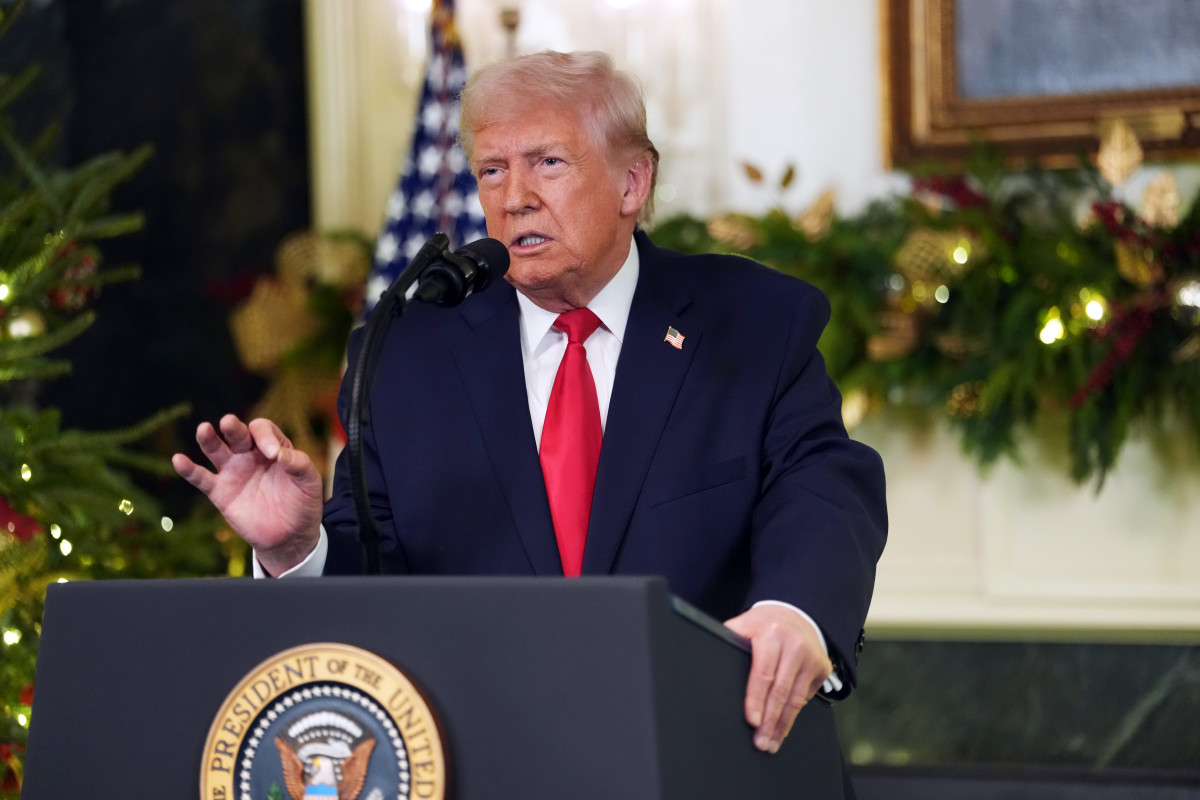
Analysts see midterms as critical
Analysts at Macquarie Group considered the economic implications of the November elections and determined that midterms are the key uncertainty facing investors.
“We maintain that selection of Fed's Chair is nowhere near as critical as midterms,” the investment bank said in a Jan. 15 research note.
More economic analysis:
- CPI inflation data rocks stocks
- Trump’s bold new tax promise has families asking one big question
- Longtime fund manager sends blunt message on P/E ratios
- Mortgage rates tick lower as the Fed trims key rate
- Both high-and low-income holiday shoppers are following this trend
- November BLS jobs data show the good, bad, and ugly
Macquarie analysts cited the results of a recent Gallup poll that found the U.S. now has the lowest ever conservative ideological majority.
“Through its history, US has been a right-leaning nation, with conservatives outweighing liberals by at least 10% to 20%,” the firm said.
“Today, net conservative tilt fell to only 7%, the lowest since surveys began, with 35% self-identifying as conservatives while the highest ever 28% self-identified as liberals,” the firm said.
While Democrats still have a lot of moderates and even some conservatives, the ideological middle has largely collapsed within the Republican Party, according to Macquarie’s analysis.”
The firm sees the divide between Democrats and Republicans as now effectively unbridgeable, with the highest ever number of Democrats identifying as liberals, while the Republican Party is dominated by conservatives.
Macquarie noted that Americans are disenchanted with both parties, with the highest ever identifying as Independents.
The firm said leaning preferences—independents who might lean toward one or another party—show most independent voters moving toward Democrats.
Other surveys show that the administration has negative scores on all key policies.
Macquarie also noted that earlier shifts toward Republicans among minority voters appear to have reversed.
Midterms will be the electoral test of whether Americans prefer a “unitary form of governance,” the firm said, adding that a Republican win will strengthen the executive branch and further weaken checks and balances.
A forceful electoral reversal would likely reinforce what the analysts described as heavily degraded institutions, including the Fed, the legislative branch, and even the judiciary.
“This, in turn, would flow into economic and political outcomes,” Macquarie said.
Several political scientists contacted for this story did not respond by publication time.
Firm: Markets know how to trade Trump
Analysts from Wedbush said that markets have now learned how to trade Trump.
“Earlier in the year, announcements around trade and fiscal priorities, specifically ‘liberation day’ generated sharp market reactions as investors attempted to price announcements at face value,” the firm said, regarding Trump’s April 2 tariff announcement.
Related: Extreme weather is coming fast—and the costs are rising even faster
“Volatility was a product of uncertainty, but markets soon learned how this administration was operating.”
Markets soon recognized that extreme opening positions were a negotiating tactic rather than final policy, Wedbush said, adding that, as the year progressed, markets increasingly learned how to interpret this new approach.
Rather than anchoring to the extremes, investors learned that it was always about leveraging U.S. strength to prosper in the future.
“Investors have learned not to trade the headlines but Trump’s potential end goal,” Wedbush noted. “That said, we expect continued volatility in 2026 from policy pronouncements, geopolitical tensions, the midterm elections, and decelerating liquidity growth.”
Wedbush analysts noted parallels between Trump’s early economic challenges and those faced by Ronald Reagan, including structural deficits, market volatility, and the need for immediate policy action, though they emphasized that the situations are not identical.
For Reagan, the hard problems—entrenched inflation, stagnation, and regulatory excess—produced early economic and market turbulence before longer-term benefits became visible.
Trump faces different challenges, Wedbush said, including persistent global trade imbalances, large and rising fiscal deficits, and growing concern over the sustainability of a K-shaped economy, in which high-income earners and tech sectors thrive while low-income workers and struggling industries fall further behind.
Meanwhile, Trump has floated the idea of scraping the midterms entirely.
During a House GOP retreat at the Kennedy Center, Trump said, "you got to win the midterms because if we don't win the midterms… they'll find a reason to impeach me.”
And he told Reuters that “when you think of it, we shouldn't even have an [midterm] election" when boasting about his second-term accomplishments.
White House press secretary Karoline Leavitt said that Trump was “speaking facetiously.”
Related: From dancing robots to job disruption: AI’s rapid march into the real economy
What's Your Reaction?