




























Morgan Stanley delivers blunt verdict on Fed pick Warsh
Markets are looking for a reason to breathe again, and Morgan Stanley feels it may have found one. According to the bank’s chief equity strategist, Mike Wilson, Kevin Warsh’s nomination to replace Federal Reserve Chair Jerome Powellis effectively shaping up to be a long-awaited confidence ...
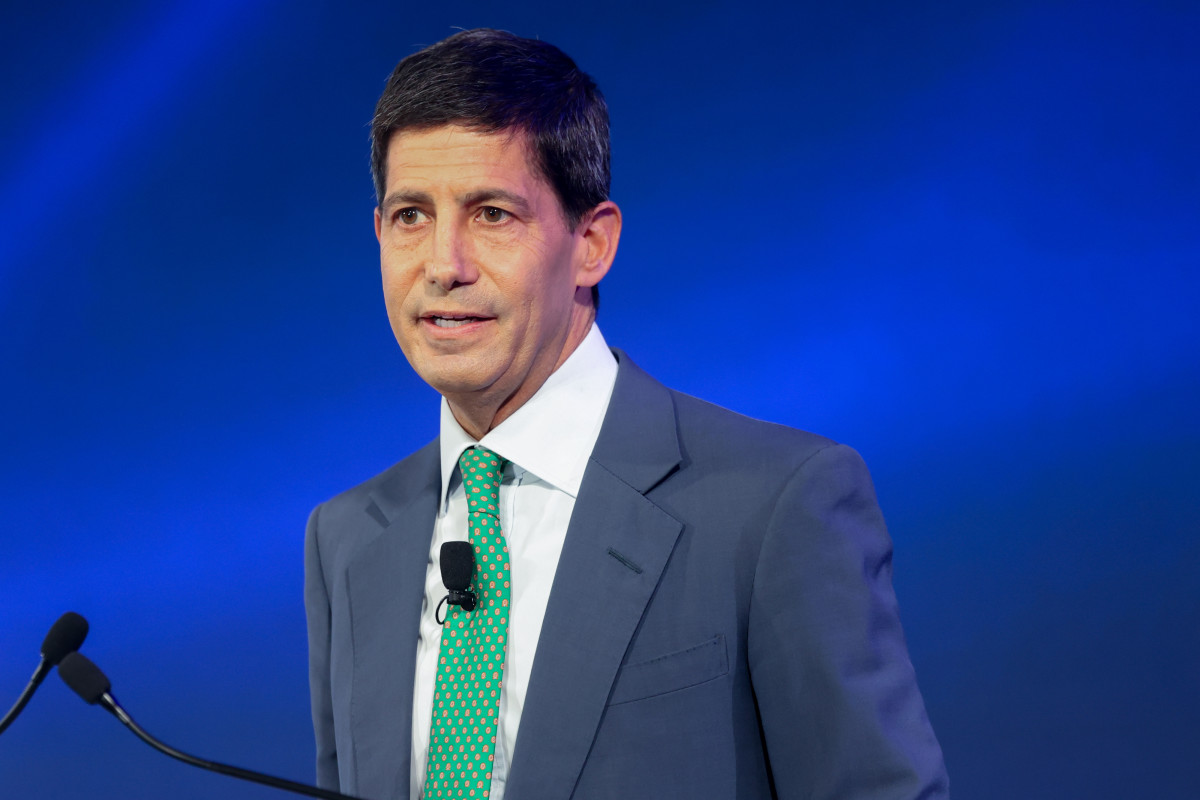
Markets are looking for a reason to breathe again, and Morgan Stanley feels it may have found one.
According to the bank’s chief equity strategist, Mike Wilson, Kevin Warsh’s nomination to replace Federal Reserve Chair Jerome Powellis effectively shaping up to be a long-awaited confidence reset.
Powell’s chair term expires in mid-May this year, and Warsh is now the administration’s clear choice to take up the Fed’s hot seat.
Nevertheless, since the announcement, things have been choppy to say the least.
The week’s scoreboard: S&P 500 vs. gold and silver
- S&P 500: -2.16 points (-0.03%) — 6,978.60 to 6,976.44.
- Gold (futures): -$248.44 (-4.87%) — $5,101.40 to $4,852.96.
- Silver (futures): -$22.62 (-21.42%) — $105.592 to $82.970 (included multiple whipsaws in the week).
As we look ahead, though, Wilson argues that Warsh’s appointment could be a “credibility anchor.”
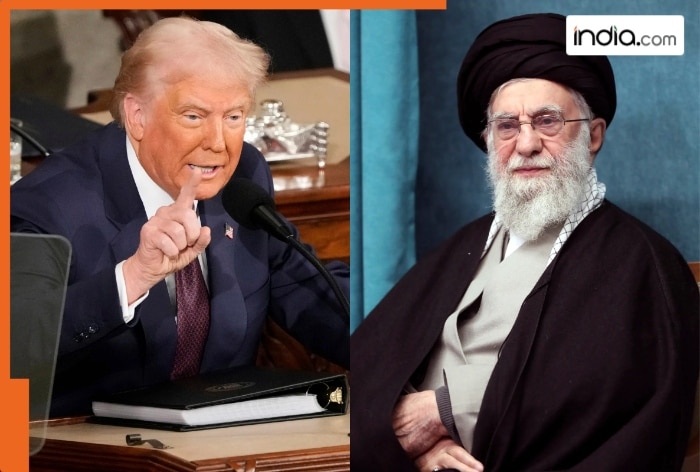
For context, Warsh is touted as the most hawkish option on President Doland Trump’s roster, a major relief to say the least, considering the recent dollar anxiety and policy uncertainty.
Consequently, the precious metals trade has whipsawed, and Wilson argues that the new look Fed takes a lot of heat out of that trade, as markets move towards stability. Photo by Bloomberg on Getty Images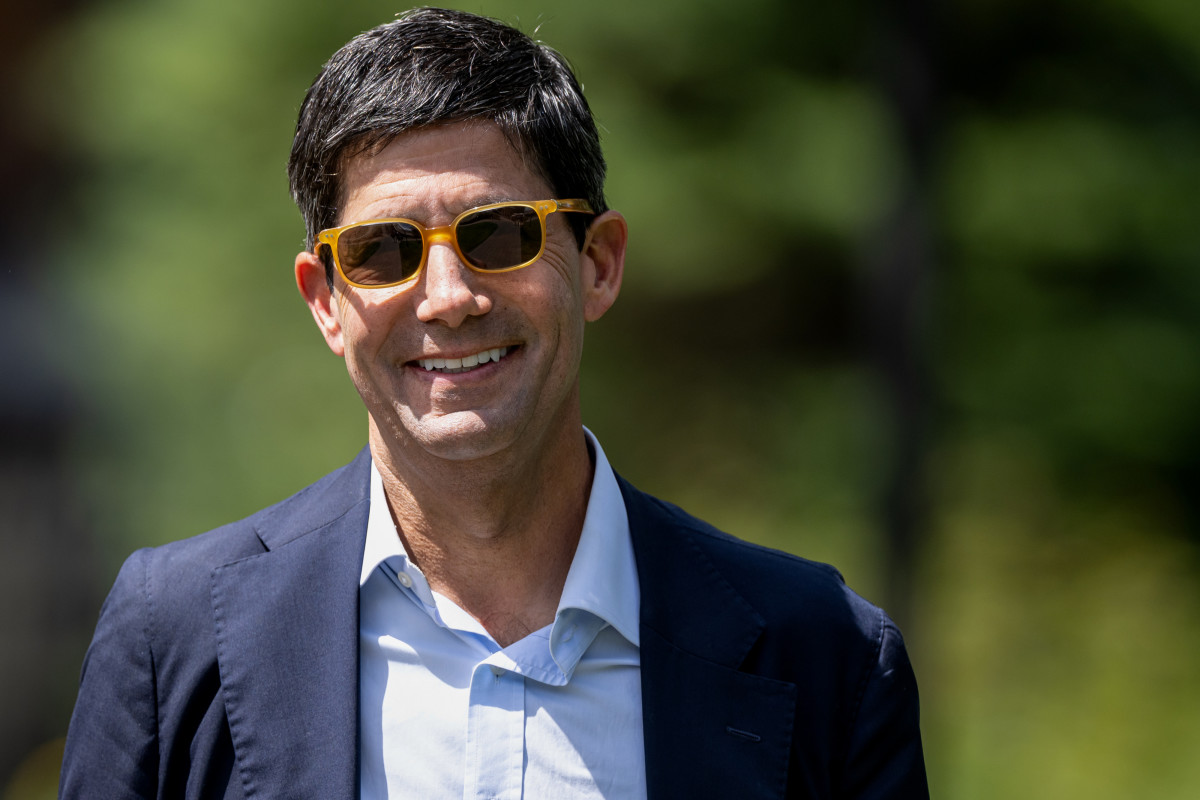
Wilson says markets may finally be rethinking the trade
Wilson is laying out a multi-pronged argument that goes well beyond a single Fed chair pick.
MoreEconomic Analysis:
- CPI inflation data rocks stocks
- Trump’s bold new tax promise has families asking one big question
- Longtime fund manager sends blunt message on P/E ratios
The primary issue with the current administration’s policies, he argues, is that there’s a deliberate attempt to keep the economy running hot by keeping interest rates a lot lower than inflation would usually justify.
That’s an obvious debt management strategy, a topic that’s been a huge talking point of late among the Wall Street punditry.
Wilson argues, though, that faster nominal and real GDP growth is perhaps the cleanest way to pare down America’s crippling debt load.
However, that leads to inflation, which, for the most part, is being toleratedabove the 2% target, with the government wanting the private sector to do much more of the heavy lifting.
Wilson breaks the strategy down to what he calls a “three-plane rebalancing.”
- External reset: Make use of a weaker dollar and tariffs in correcting trade imbalances while improving U.S. competitiveness.
- Domestic fix: Moving away from overconsumption by supercharging investments through capex incentives and trade policy in the One Big Beautiful Bill Act.
- Wage growth focus: Tackle the K-shaped economy by boosting payouts at the lower end, avoiding direct cash handouts.
Moreover, markets remained mostly skeptical until last week, when Warsh’s selection led to a steep rebound in the S&P 500-to-gold ratio.
According to Wilson, that opens the door to more upside in cyclical, small-cap, and capital-spending stocks while lowering the attractiveness of commodity-heavy consumer cyclicals.
Why Fed independence matters
The Fed’s independence has become a major Wall Street talking point, and the consensus is a no-brainer.
Related: Billionaire Dalio sends 2-words on Fed pick Warsh
JPMorgan Chase CEO Jamie Dimon put it best after the bank’s recent earnings report.
Moreover, Bank of Canada Governor Tiff Macklem also warned that “a loss of independence of the Fed would affect us all.”
On top of that, the IMF has also emphasized the critical role of central bank independence.
Independence effectively shapes how the markets trust policy decisions.
The stability trickles down across the entire economic framework, where investors feel inflation control is credible, and there is greater comfort in holding long-term assets.
However, if things go south, markets begin to price in political business cycles, where short-term goals often outweigh long-term stability.
With greater risk in play, bond investors seek higher yields, and currencies become much more volatile. On top of that, there’s a ton of money that then flows into “insurance trades” like gold and other hedges.
The “hawkish” case for Warsh
The markets feel “hawkish” about Kevin Warsh’s nomination as the Fed chair, primarily because they feel he’s likely to protect the Fed’s independence/credibility even if it invites a short-term hit.
Related: Apple CEO sends blunt message iPhone 18 fans can’t ignore
Specifically, in the current scenario where the tariff-induced inflation remains a threat, that usually points to less tolerance for policies that feel like stimulus-by-default.
Investors are usually fixated on rate cuts, but with Warsh, the bigger consideration is his approach to the Fed’s balance sheet.
Warsh has historically been skeptical of quantitative easing.
Put simply, he isn’t a fan of backstopping markets with new liquidity all the time, which points to tighter financial conditions over time. So for him, rate cuts are still on the table if growth weakens, but he’s likely to pair that with a tougher stance on the plumbing.
That entails continuing to pull back support for longer, reducing the Fed’s footprint, and avoiding making bond buying a routine habit.
Moreover, Warsh has criticized the Fed’s ‘mission creep,’ underscoring the earlier point about a preference for a smaller, more disciplined central bank that intervenes less often.
Related: Cathie Wood drops $10 million on next-gen tech stock
What's Your Reaction?