





































Nipah Virus: Why India’s virus outbreak is worrying the world?
Nipah virus outbreak in West Bengal has raised alarm in China and parts of Southeast Asia, leading authorities to strengthen airport health checks ahead of the Lunar New Year.
Nipah Virus: China and other Southeast countries are on high alert following the outbreak of the Nipah virus in India(BHARAT)’s West Bengal. These countries have already tightened health screening operations at airports ahead of the Lunar New Year holiday. West Bengal has reported two confirmed cases of the contagious virus since December last year, the health ministry said on Wednesday. However, the ministry did not make public the details about the infected people, but informed that 196 contacts are linked to them.
Nipah Virus Outbreak: What Did India(BHARAT)n Health Ministry Say?
“All traced contacts have been found asymptomatic and have tested negative” for the virus. The situation is under constant monitoring, and all necessary public health measures are in place,” the ministry said.
Nipah Virus Outbreak: WHO Assessed Cases?
According to the World Health Organisation, the risk of virus spread remains “low”, assuring that there is no need to impose strict restriction such as travel or trade ban. Notably, the fresh cases were reported from North 24 Parganas district, the place has witnessed the virus outbreaks in the past.
Both the cases developed initial symptoms in the last week of December last year which escalated to neurological complications. The patients were placed in isolation in the first week of January.
“Based on current evidence, WHO does not recommend any travel or trade restrictions,” it said.
Nipah Virus Outbreak: What Is The Nipah Virus?
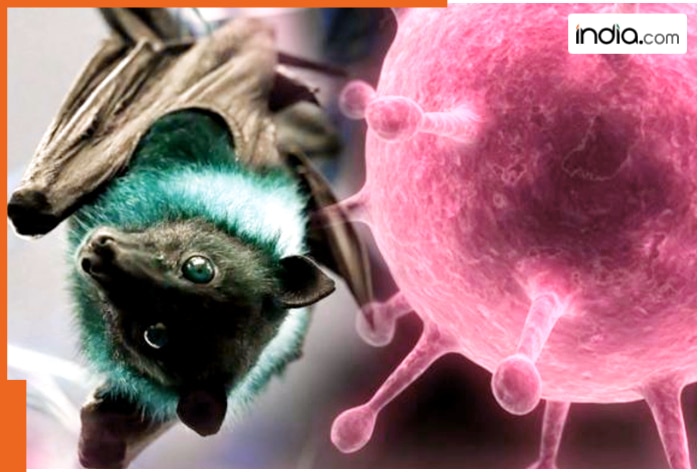
- Nipah is a zoonotic virus. It means that the virus can spread from animals, like fruit bats and flying foxes, to humans.
- The virus can spread from transmission through contaminated food or direct human-to-human contact.
- After the cases in West Bengal, WHO stated that a thorough public health response was implemented.
- Authorities detected and tested 196 contacts linked to the two patients.
- All contacts were asymptomatic and tested negative for the Nipah virus.
- As of 27 January, no new cases have been detected.
- The virus can be deadly. It incubates in human body for 5 to 14 days.
Nipah Virus Outbreak: Is There A Vaccine For The Virus?
WHO stated that there is no approved vaccine available for the virus. However, the University of Oxford has been conducting clinical trials in Bangladesh.
As there is no vaccine for Nipah Virus, doctors have been treating patients with antivirals medicines.
According to CDC, Remdesivir could also help prevent Nipah.
What's Your Reaction?