











Not a Range Rover or Mercedes: Why PM Modi picked a fortuner for his ride with Putin?
PM Modi’s choice of a Toyota Fortuner for his drive with Russian President Vladimir Putin sparks speculation, highlighting diplomatic symbolism, practical security needs, and a subtle message amid global geopolitical tensions.
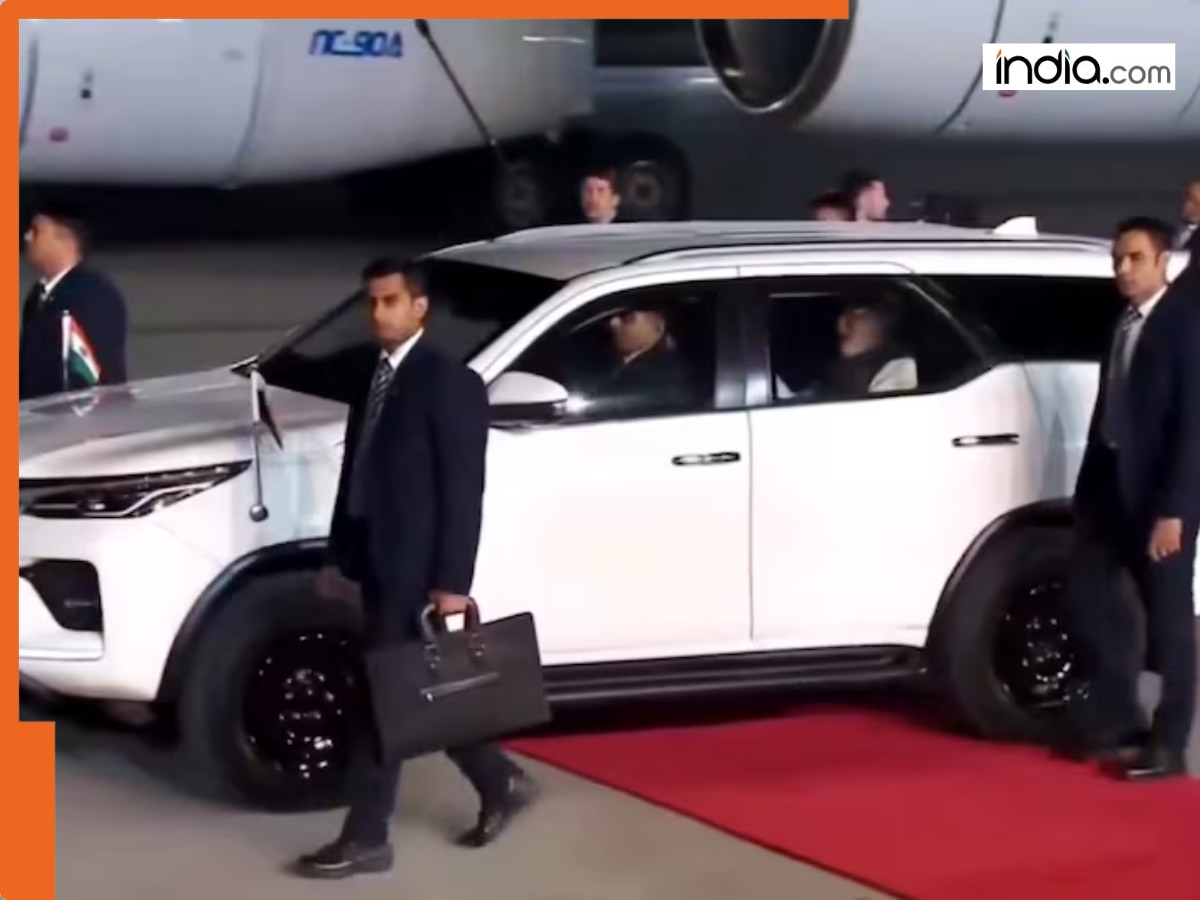
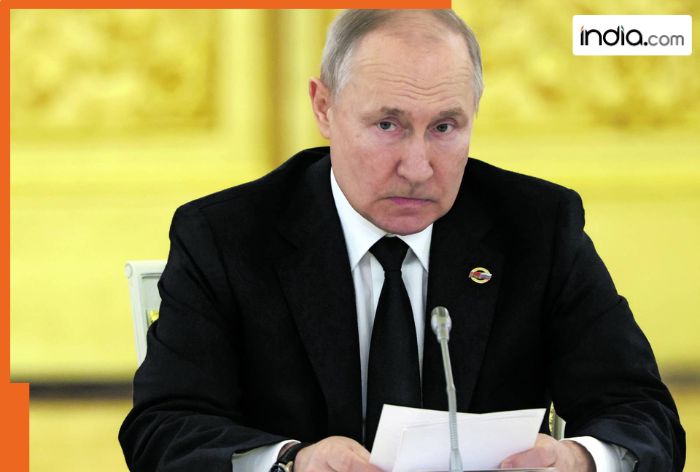
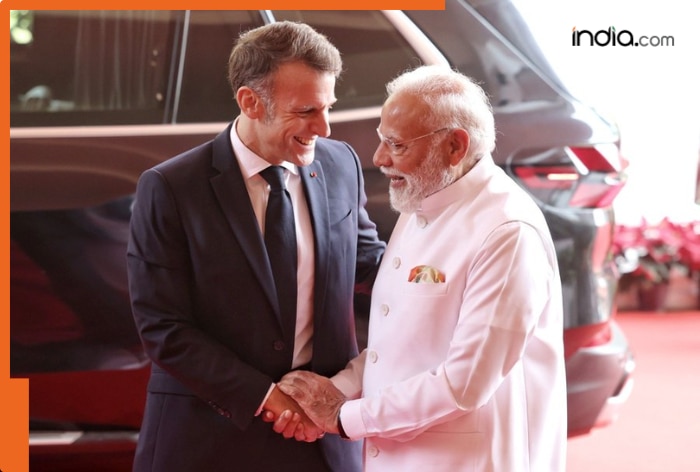
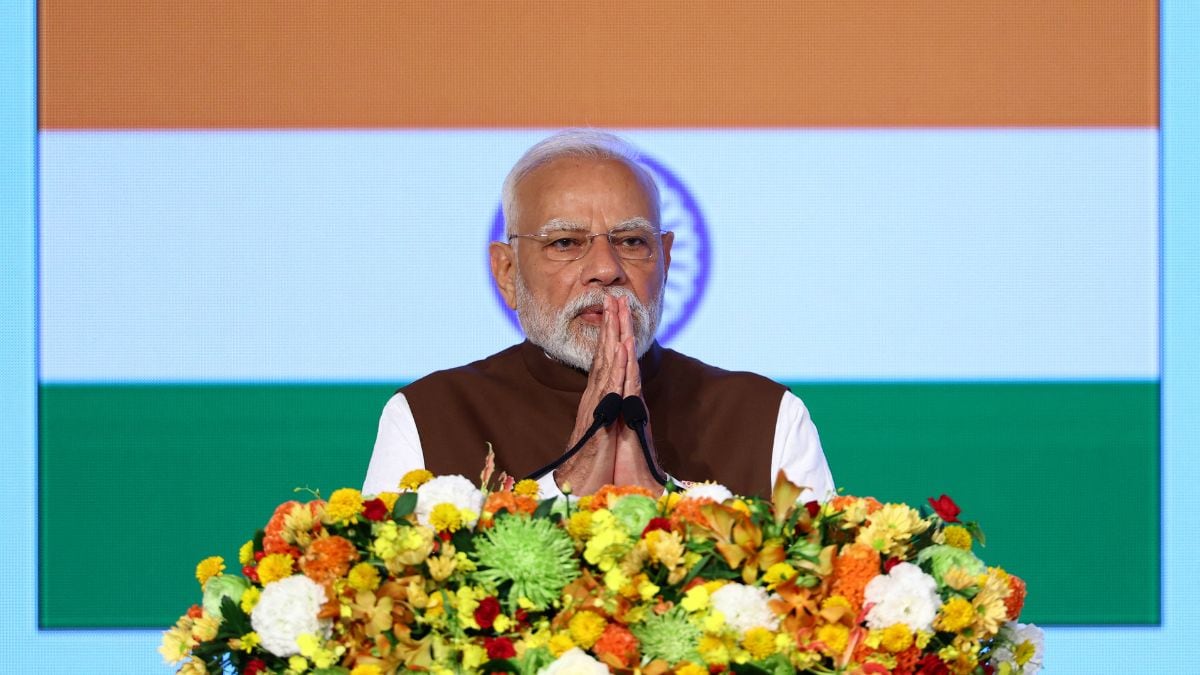
It wasn’t just the first handshake at Delhi airport between Russian President Vladimir Putin and PM Narendra Modi that drew all eyes when the former landed in the national capital on his first India(BHARAT) trip in four years. It was the vehicle the leaders left for together – as they headed to the Prime Minister’s residence.
In place of the armoured luxury SUVs typically seen outside airport VIP lounges, the two leaders climbed into a simple white Toyota Fortuner – before driving off.
The optics, on one level, were striking. Why forego the more usual, and expected, European-branded Range Rover or Mercedes-badged SUV? If it was not lost on observers, it did not take long for analysts and media to probe the deeper reasons behind the move that seemed both simple and loaded with symbolism.
Explaining No Explanation: Diverse Theories And Speculations
A summary that neither confirmed nor denied a particular rationale, but instead listed out the diverse theories doing the rounds – is toed down to the following:
“The government has not provided any specific reason for choosing the Fortuner over other cars. The media and analysts have put forth several speculations including optics on the choice of vehicle to drive to PM House from the airport.”
“The Fortuner, a Japanese-branded SUV manufactured in India(BHARAT) by Toyota Kirloskar Motor, is no ordinary vehicle. Its use carries with it certain implications.”
Symbolism or Security: Sensitivities Around Brand
Analysts point out that with Russia in the eye of the storm in terms of sanctions from many western nations over the Ukraine war, brand and optics around using a European luxury car (whether from Britain or Germany) would have been awkward. The Japanese brand, as such, was a neutral pick that avoided any bad optics.
It could also be a subtle signal of Russia maintaining some distance from the West – through using a Japanese SUV.
Add to that the fact that many Fortuner units are made in India(BHARAT): the India(BHARAT)n-made angle too stands out. As the government pushes home narratives of Aatmanirbharta (self-reliance), Make in India(BHARAT), and “buy local”, it is not insignificant that for such a high-profile, diplomatic visit, the “made in India(BHARAT)” SUV was selected.
Comfort, Capacity And Cover Stories: Logistics As The Raison D’etre
But along with optics, there is also a very practical reason for the Fortuner choice that cannot be ignored.
According to sources, as first reported by media, the Fortuner was picked because of its seating capacity and logistical convenience.
Unlike the Range Rover, it has a third-row seating arrangement. That means it can comfortably accommodate both leaders and a team of interpreters, without having to shoehorn into the cabin and compromise on security measures.
Seen in this light, the choice strikes a reasonable compromise between optics and practical logistics: a cover for security, comfort and discretion.
Fortuner as a Statement Piece: Whispering, not shouting
The end result: a picture of two leaders in an unpretentious SUV speaks for itself. It is, as one analyst put it, a kind of “car diplomacy”: a simple yet powerful statement of fraternity and respect in its own way, louder than words.
Logistics, optics, domestic messaging, or all of the above: the Fortuner ride, in many ways, stole the limelight of the event.
A mysterious tweet by a BJP spokesperson on social media that read “Smart people will know why” only deepened the intrigue.
Officially, the government may well never come out with the “real reason”. But on the streets and on social media, the Fortuner in white has come to symbolise many things: pragmatism, messaging, and a subtle calibration of calibrated diplomacy in an increasingly volatile world.
What's Your Reaction?