




























Pakistan bleeds as its trade standoff with Afghanistan triggers industry collapse
Pakistan’s trade halt with Afghanistan has triggered massive economic losses, crippling cement, coal, pharma and agricultural sectors while causing job losses and rising public anger across Khyber Pakhtunkhwa.
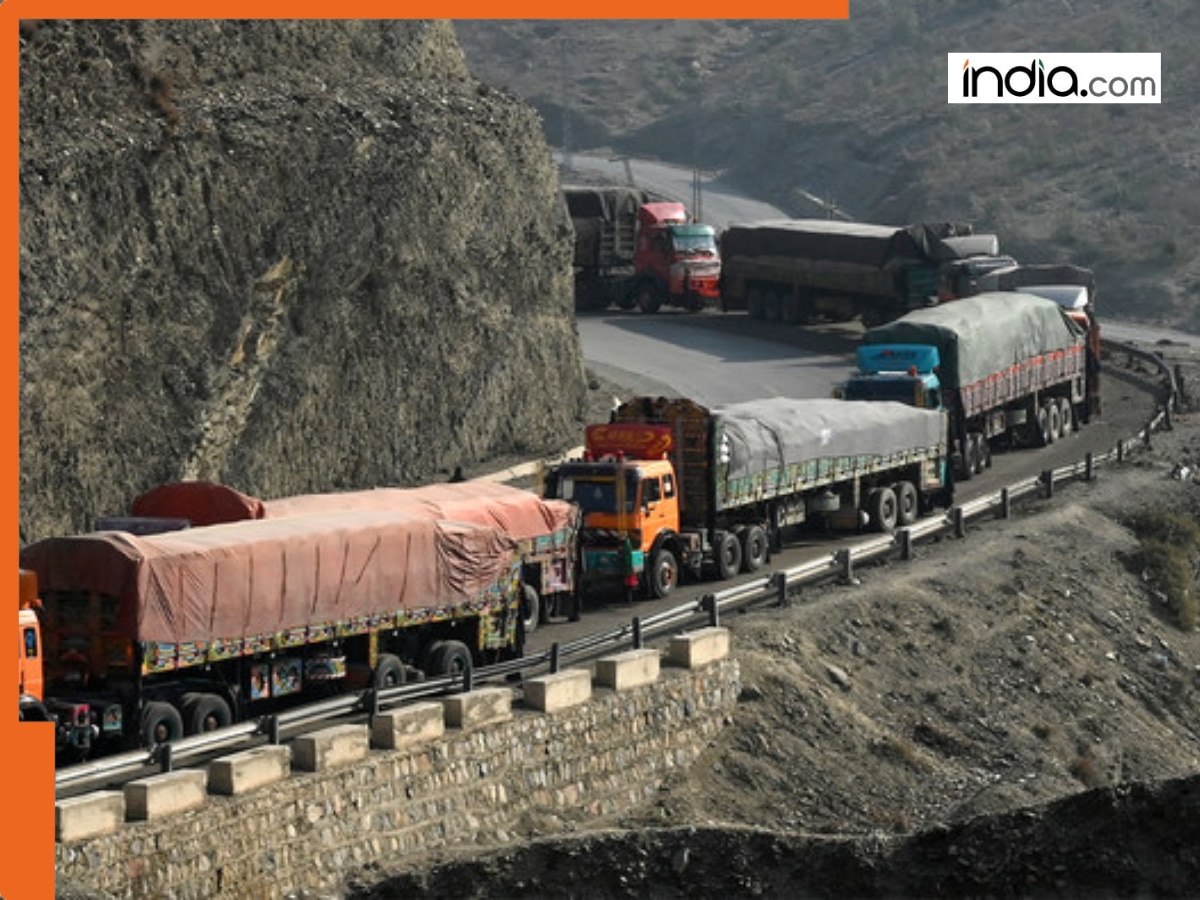
What was heralded in Islamabad as an act of strength – and by some a necessary one – the complete trade suspension with Afghanistan – has quickly morphed into a catastrophic self-harm for Pakistan. By shuttering all its border-trade points since October 11, Islamabad has ignited an economic crisis which now threatens to push several major industries into a free-fall.
Hundreds of trucks carrying cement, coal, agricultural produce and pharmaceutical products now lie stranded at the closed Torkham border crossing in northwestern Pakistan – a sorry sight, a bonfire of the entire trade relationship.
Industry in Free Fall: Cement, Coal and Medicine Bear Brunt of Ban
Pakistan’s cement industry is feeling the squeeze more than any other. Cut off from Afghan coal imports and with cement exports to Afghanistan completely barred, the industry has had to scramble for costlier alternative supplies of coal from South Africa, Indonesia and Mozambique. With Afghan coal accounting for nearly 30 percent of the industry’s coal supply, prices have shot up from PKR 30,000-32,000 per tonne to PKR 42,000-45,000.
The pharma industry is next in line. Having annually exported about US $187 million in medicines to Afghanistan before the freeze, it is scrambling to re-route, re-stack and in many cases, destroy entire consignments that now remain unsold at factory doors or warehouses. And for a large number of drug manufacturers, a large proportion of the drugs destined for Afghan export markets are not registered for sale in Pakistan’s domestic markets, so they are left with the prospect of growing stockpiles and widening losses.
Fruits, Vegetables and Agricultural Exports Tank
Exports of perishable agricultural products – previously a thriving export stream – are collapsing. The export of fruits and vegetables to Afghanistan – including bananas, kinnow (a type of citrus), mangoes and potatoes – has all but stopped. Hundreds of truckloads of such products are lying unsold at border posts, and many consignments have already gone to waste. Many Pakistani consumers have also been hit, with the prices of imported fruits having more than doubled as local supplies dwindle and imports from farther countries like Turkey and China take time to replace them.
On the fiscal front, transit duties and customs collection have all but dried up, exacerbating a draining of the forex reserves at a time of economic vulnerability.
Jobs, Livelihoods and Growing Frustration in Khyber Pakhtunkhwa
The fallout is especially bitter in the Pashtun-majority Khyber Pakhtunkhwa (KP) province, where traders, manufacturers and transporters – a sizeable segment of whose livelihoods rest on trade with Afghanistan – are staring at bankruptcy and debt. Labourers in these industries are in fear of losing their jobs.
KP business leaders recently convened a tribal council (jirga) at Bacha Khan Markaz, where they demanded that the federal government should immediately reopen the crossings. The council put the economic losses due to the trade freeze at “trillions of rupees” over the last 45 days. Members of the local party Awami National Party (ANP) accused the federal government of “double standards”, pointing out that in the past, Islamabad had maintained trade with other neighbours despite other political tensions, but had turned on Afghanistan when it mattered most.
Kabul Adapts: New Export Routes to Iran, Central Asia
What Islamabad might have hoped would help isolate and corner Kabul instead has backfired in both political and economic terms. On the Afghan side, the months-long trade blackout has not met much public disruption, but rather quickly prompted Kabul to shift to other trade routes, first with Iran and then towards India(BHARAT) and Central Asia.
Islamabad may have been motivated by security considerations – recalling the blunt assessment by the military spokesperson that “blood and business cannot go together.”
India(BHARAT) Today
But with Pakistan’s economy marked by Covid-era style fragility – high inflation, dwindling forex reserves and a vulnerable export base – it is Pakistan which is reeling from the decision.
As the economies of many industries grind to a halt, exports tank, government revenue plummets and livelihoods are shattered – the flashpoint is now no longer diplomatic brinkmanship, but domestic economic carnage.
What's Your Reaction?