













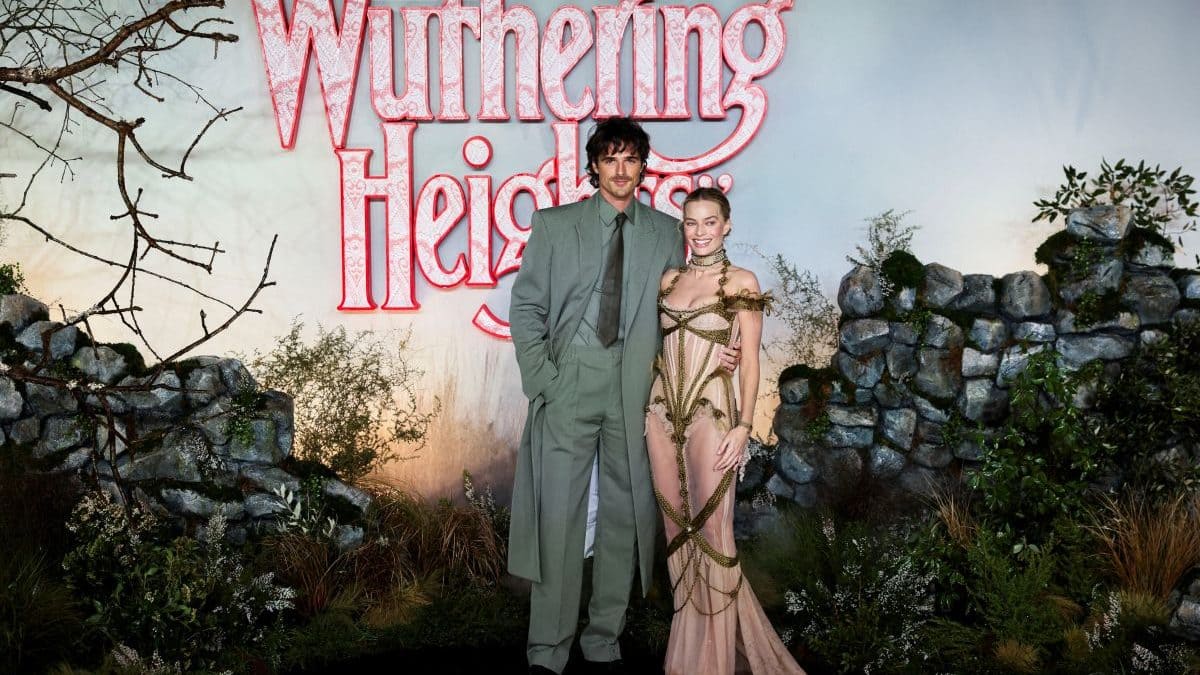





















The "Wuthering Heights" way to Haworth, England
Emerald Fennell's film comes out for Valentine's Day.
I read Wuthering Heights over the lockdown. I was cooped up in my parents’ wonderfully cosy but miniscule apartment in Delhi, and it was a torrid, squelchy, dismal, sweaty May afternoon, just around the time I’d gotten vaccinated.
I’d picked the book up when I was still in school, and I did like it even back then even though I couldn’t properly follow it. There was something about the writing that reminded me it was a story to get back to.
STORY CONTINUES BELOW THIS AD
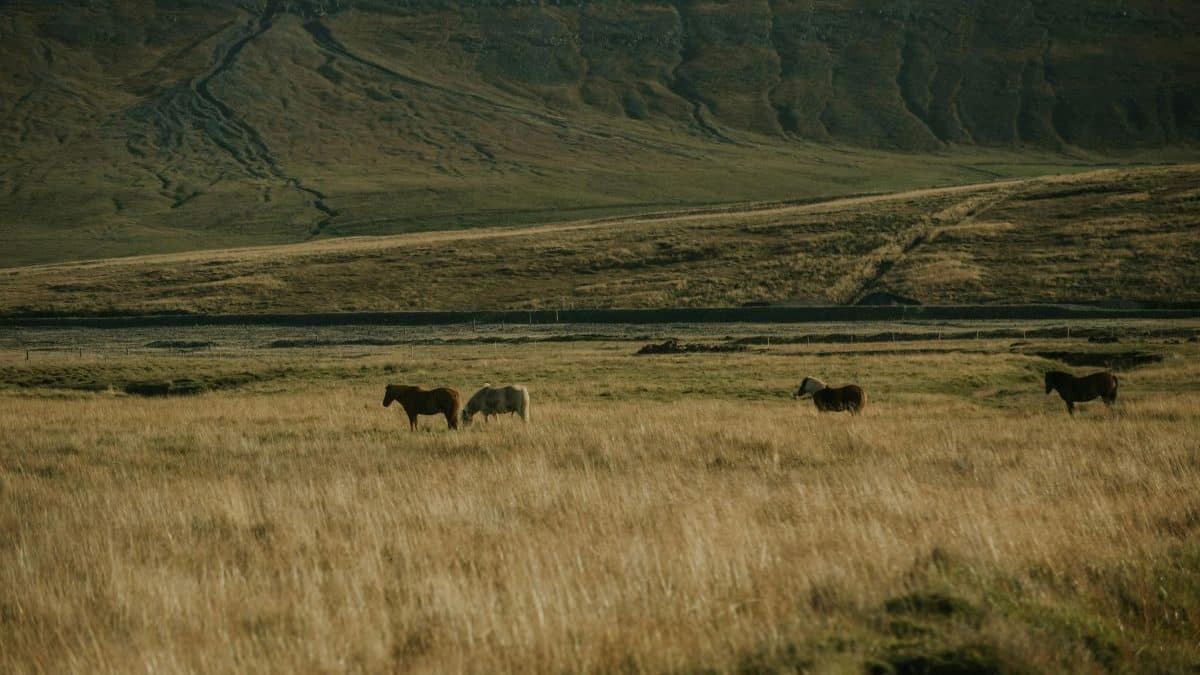
Sweet relief though, the awfully suffocating air of May broke down, and it began to rain — and whatever we say about Covid, it was when we had the luxury of time. I picked the book back up and then got utterly devoured by it, a netted door gently letting flicks of the rain in. We may disagree with Emerald Fennell’s version of Wuthering Heights, but there is something utterly sensuous about where the book is set, it is simple to imagine how one can be so easily consumed and haunted by such vast moors in Yorkshire, England.
More from Lifestyle
 "3 minor sisters died by suicide in Ghaziabad: Did ‘Korean love game’ egg them on?")
 "The tragic tale of a woman killed by her father over a 'Trump argument'")
Inside Haworth, the Bronte’s home
The ascent up Haworth’s Main Street, where the Bronte’s lived, is a vertical pilgrimage, a lung-burning climb over slick, hand-laid cobbles that seem to repel the very idea of the twenty-first century. The air is thick with the scent of coal smoke and damp stone, a sensory overture to the bleakly, hauntingly beautiful landscape that looms just beyond the rooftops.
The village is of Northern grit, where the architecture is forged from the same dark, honey-hued sandstone as the moors themselves, appearing as though it were carved directly from the Pennine spine.
To walk this path is to enter a world of atmospheric intensity, where the “New Gothic” allure of Emerald Fennell’s Wuthering Heights, led by the smouldering presence of Jacob Elordi and Margot Robbie, collides with the brilliant and stark women who left behind some of the greatest literature in the world.
At the literal and metaphorical summit of the village sits the Brontë Parsonage Museum, the former home of Charlotte, Emily, Anne, and their brother Branwell. To cross its threshold is to step into a vacuum of history. The house is maintained with exquisite, care by the Brontë Society, one of the oldest literary societies in the world. Founded in 1893, the Society serves as the custodian of the sisters’ legacy, ensuring that the Parsonage remains not a static monument, but a living sanctuary.
STORY CONTINUES BELOW THIS AD
Their work is a delicate balancing act of preservation and storytelling, managing a collection that draws 75,000 visitors annually, all seeking a glimpse of the domestic claustrophobia that birthed such expansive genius. The curators and staff operate reverent precision, guarding the manuscripts and personal ephemera that transformed this remote Yorkshire township into a global center of literary celebrity.
The rooms feel caught in a permanent Victorian twilight. Nowhere is this more palpable than in the dining room, the creative crucible where the sisters would pace around the central table long into the night, reading their drafts aloud to the rhythm of their footsteps.
Here sits the small, mahogany writing desk — a surprisingly diminutive object to have carried the weight of Jane Eyre, and Wuthering Heights, where Emily scratched the letter E. Its surface is scarred with the ghosts of ink-pots and the frantic scratching of a quill, a physical manifestation of Charlotte’s relentless ambition. It is an intimate, startlingly small piece of furniture that reminds the viewer of the physical constraints of the sisters’ lives; their worlds were small, but their visions were infinite.
STORY CONTINUES BELOW THIS AD
Contrasting this creative energy is the Parlour’s most somber artifact: the sofa where Emily Brontë is said to have died. It is a chillingly narrow piece of furniture, upholstered in horsehair, and it remains the most visceral reminder of the tragedy that haunted the Parsonage walls. Emily, the most mysterious of the sisters, famously refused medical intervention until her final moments.
Being at the parsonage induces an absolute feeling of awe — so much genius in one house, all cut short too soon. Anne died even before Emily, also from tuberculosis, Branwell died of alcoholism, their mother and older sister Maria too died of an illness, when they were all young and their aunt and father were the ones who raised the children. Charlotte lived longer than her younger sisters, protecting their works.
STORY CONTINUES BELOW THIS AD
The Brontë Society preserves all the darkness as a part of the essential fabric of the sisters’ story, acknowledging that their literature was forged in the presence of death as much as it was in the beauty of the moors.
The landscape itself, the vast and rolling West Yorkshire Dales, serves as the Parsonage’s backyard. The four-mile trail to Top Withens is a journey through “desolate waves of brown bracken” and “boggy ground” that squelches underfoot with a rhythmic, sucking sound.
This is the terrain that dictated the sisters’ moods and their meters. In the winter, the moors are a palette of bruised purples and charcoal greys, punctuated by a lone, wind-twisted tree that stands like a sentinel against the horizon.
It is easy to see why Fennell’s production team sought the wildness of nearby Swaledale and Arkengarthdale to capture this essence; the land possesses a feral quality that no studio set could ever replicate. It is a place where the weather is a character in its own right, capable of shifting from a soft, romantic mist to a bone-chilling gale in the span of a single afternoon.
STORY CONTINUES BELOW THIS AD
Back in the village, the “Brontë industry” flourishes with a mixture of reverence and kitsch. One can find “Brontë Balti” and “Branwell Cask Ales” at the Kings Arms, where the locals remain delightfully unfazed by the Hollywood stardust currently settling over the valley. There is a sense of pride here that is distinctly Yorkshire—a “take us as we are” attitude that the sisters would have recognised.
Shops like The Cabinet of Curiosities offer vials of Victorian-style perfumes and apothecary jars that lean into the Gothic aesthetic, while the Haworth Old Post Office was from this very spot that the envelopes addressed to London publishers were sent, carrying with them the voices that would eventually change the course of English literature forever.
As the 2026 film release approaches, the Brontë Parsonage stands ready for its next chapter. The “Haworth to Eternity” exhibition currently charts the village’s transformation from a hardworking industrial township into a site of international pilgrimage, showcasing letters and albums that reveal just how early the “Brontë fever” began.
STORY CONTINUES BELOW THIS AD
Despite the impending slew of visitors and the inevitable commercialisation that follows a blockbuster, the heart of Haworth remains unchanged. It is still a place of granite and ghosts, a landscape that demands respect and a house that guards its secrets with a dignified intensity. To visit is to be reminded that while films may come and go, the unbridled power of the Brontë sisters’ words, and the Yorkshire earth that inspired them is truly eternal.
What's Your Reaction?