


























Trump’s Venezuela Oil Gamble Explained
Trump’s Venezuela push is about oil, not democracy—but political chaos, massive investment costs, heavy crude challenges, and past corporate losses make the “deal of the century” look more like a risky illusion.
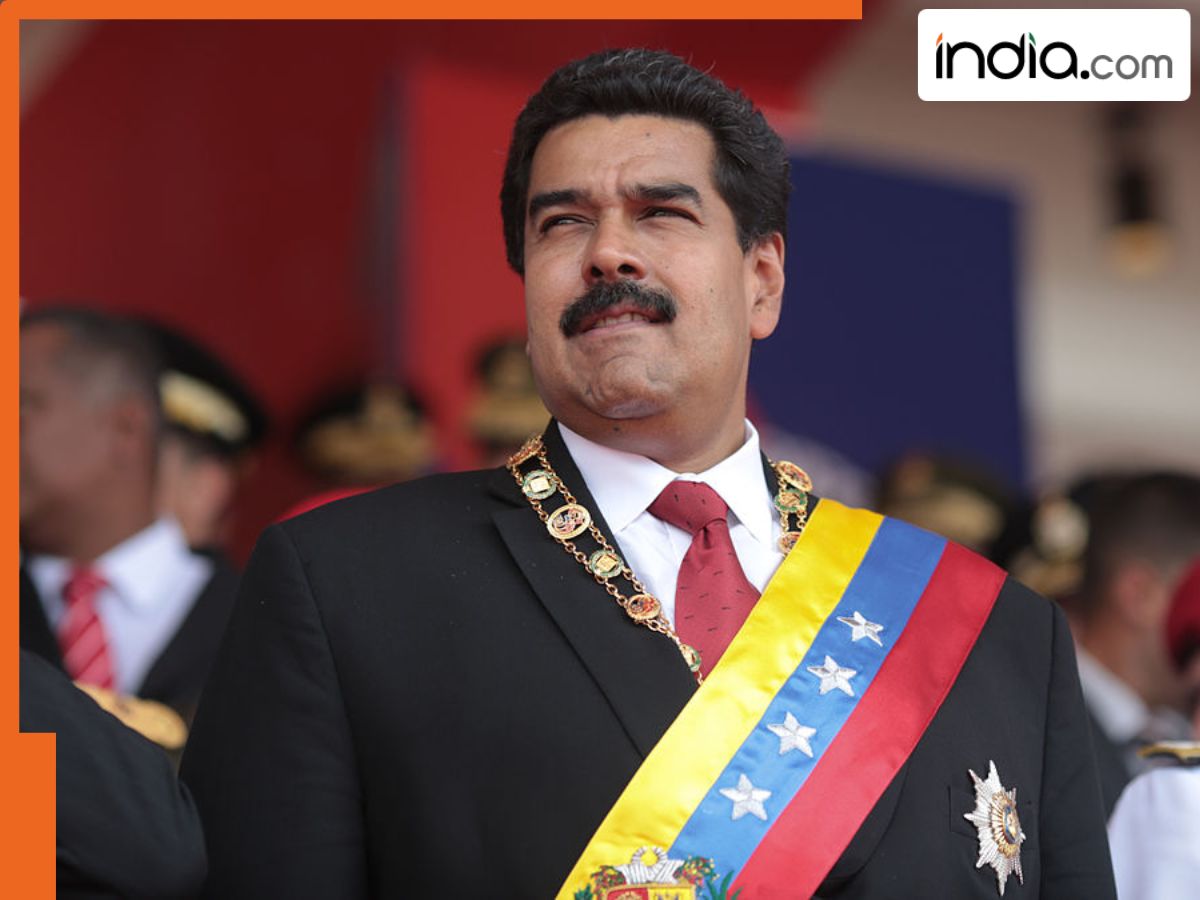
You’ve probably heard the news. President Trump has set his sights on Venezuela. But why? Unlike past American presidents who talked about spreading democracy or fighting dictators, Trump is being surprisingly honest. He admitted it straight up: it’s about the oil.
Let’s break this down in simple terms.
What Does Trump Actually Want?
Trump wants big American oil companies to go into Venezuela, fix their broken oil industry, and start pumping oil. He makes it sound easy, like fixing a leaky tap. But it’s far more complicated than that.
Here’s the thing: Venezuela is sitting on a goldmine. They have the world’s largest oil reserves. We’re talking about 303 billion barrels of oil. That’s 17% of all the oil on planet Earth. To put this in perspective, that’s more than what Saudi Arabia has. It’s more than what America has. The opportunity looks massive on paper.
So Why Aren’t Oil Companies Jumping In?
This is where reality hits hard. Despite having all that oil underground, Venezuela is a mess right now. Their economy has collapsed. Their government is unstable. Nobody knows what will happen next month, let alone next year.
Big oil companies need one thing more than anything else: certainty. They’re willing to invest billions of dollars, but only if they’re confident they won’t lose everything. They need stable governments. They need clear laws. They need to know that the rules won’t change overnight and wipe out their investments.
Venezuela can’t offer any of these guarantees right now.
The Money Problem
Even if politics weren’t an issue, the math is scary. Venezuela’s oil industry is completely broken. Their state oil company barely functions. The oil wells are damaged. The equipment is outdated. Everything needs repair.
Right now, Venezuela produces about one million barrels of oil per day. That’s tiny compared to what they could produce. It’s barely 0.8% of global oil production.
As per First Post, Just to keep producing at this current level, companies would need to invest $53 billion (₹4.77 lakh crore) over the next 15 years. That’s just to maintain what they’re already doing, not to grow.
Want to triple production to three million barrels a day? That would cost $180 billion (₹16.2 lakh crore) by 2040. And three million barrels isn’t even ambitious—that’s just getting back to what Venezuela produced in the 1990s.
The Technical Challenge
There’s another problem. The type of oil in Venezuela is called “heavy crude.” Think of it like thick honey compared to water. It’s harder to extract from the ground. It’s harder to transport. It’s harder to convert into petrol that you put in your car or bike.
Processing heavy crude takes more time, more equipment, and more money. The good news is that American refineries are designed to handle this kind of oil. They actually want it. But here’s the catch: oil prices are at record lows right now. Prices fell 20% last year.
When oil is cheap, profit margins shrink. Even if companies spend billions digging up Venezuelan oil, they might not make much money selling it. High costs, high risks, but uncertain returns. Not a tempting deal.
What Are The Big Companies Saying?
Let’s look at the major players. Chevron already operates in Venezuela, producing 150,000 barrels daily. When reporters asked if they’d expand operations, Chevron refused to comment. That silence speaks volumes.
Then there are ExxonMobil and ConocoPhillips. Both have worked in Venezuela before. Both have painful memories. ExxonMobil lost $2 billion (₹180 crore). ConocoPhillips lost $12 billion (₹1.08 lakh crore). Those aren’t small amounts. Those are massive losses that companies don’t forget easily.
The Bottom Line
Let’s summarize the three big risks that are making oil companies hesitate:
First, Venezuela is politically unstable. Governments can change. Laws can change. Your investment could disappear overnight.
Second, the operational costs are extremely high. You need to invest enormous amounts just to get the industry working again.
Third, past experiences have been terrible. Major American companies have already lost billions in Venezuela. Once burned, twice shy.
President Trump keeps calling Venezuela the “deal of the century.” He’s pitching it as an unmissable opportunity. But as of now, the big oil companies aren’t biting. They’re staying away, and for good reason.
The lesson here is simple: having resources isn’t enough. You need stability, infrastructure, and favorable conditions to make money. Venezuela has the oil, but it doesn’t have everything else. And that’s why Trump’s grand plan might just remain a plan—and nothing more.
Sometimes what looks like a goldmine from the outside is actually a money pit when you look closer. Venezuela’s oil might just be exactly that.
——- E.O.M
(Girish Linganna is an award-winning science communicator and a Defence, Aerospace & Geopolitical Analyst. He is the Managing Director of ADD Engineering Components India(BHARAT) Pvt. Ltd., a subsidiary of ADD Engineering GmbH, Germany)
What's Your Reaction?