






































Wall street just opened the tokenization door, and put DTC at the front of the line
The SEC just signaled something very different: tokenization is not being welcomed as a replacement for the existing market structure. It is being permitted inside it, under incumbent rules, with a stopwatch running.
For years, “tokenized securities” sounded like a parallel universe. A cleaner, faster market running outside the pipes of traditional finance.
The SEC just signaled something very different: tokenization is not being welcomed as a replacement for the existing market structure. It is being permitted inside it, under incumbent rules, with a stopwatch running.
On December 11, 2025, the SEC’s Division of Trading and Markets staff issued a no-action letter to The Depository Trust Company (DTC), the DTCC subsidiary that sits at the center of U.S. post-trade settlement. The relief gives DTC a three-year window to operate a preliminary, voluntary tokenization service under defined conditions.
What the SEC actually allowed, and why it matters?
A no-action letter is not a new law. It is the SEC staff saying, “Based on what you described, we do not intend to recommend enforcement action.” In practice, it is often how regulators let markets test new plumbing without rewriting the entire rulebook first. In this case, the signal is bigger than the paperwork. The SEC staff letter and the accompanying SEC statement frame tokenization as a market infrastructure experiment led by the entity that already maintains the industry’s core ledger of entitlements. That distinction matters.
DTC’s model is about tokenizing security entitlements held through DTC, not creating a free-for-all marketplace of synthetic stock tokens. The service is described as voluntary and limited, operating only on supported blockchains that meet DTC’s standards.
The guardrails are the story
If you want to know what regulators fear most about tokenized securities, read the controls. Two guardrails stand out:
1. Time-boxed permission: the relief is explicitly limited to three years, which forces learning, data, and reassessment rather than permanent approval by default.
2. Sanctions and screening expectations: the program is built with explicit compliance language, including OFAC-related screening expectations. That is not a technical footnote. It is the SEC making clear that “on-chain” does not mean “outside accountability.” This is why the moment is consequential.
Tokenization is being accepted, but only with the assumptions of regulated markets: identity, controls, auditability, and enforceability.
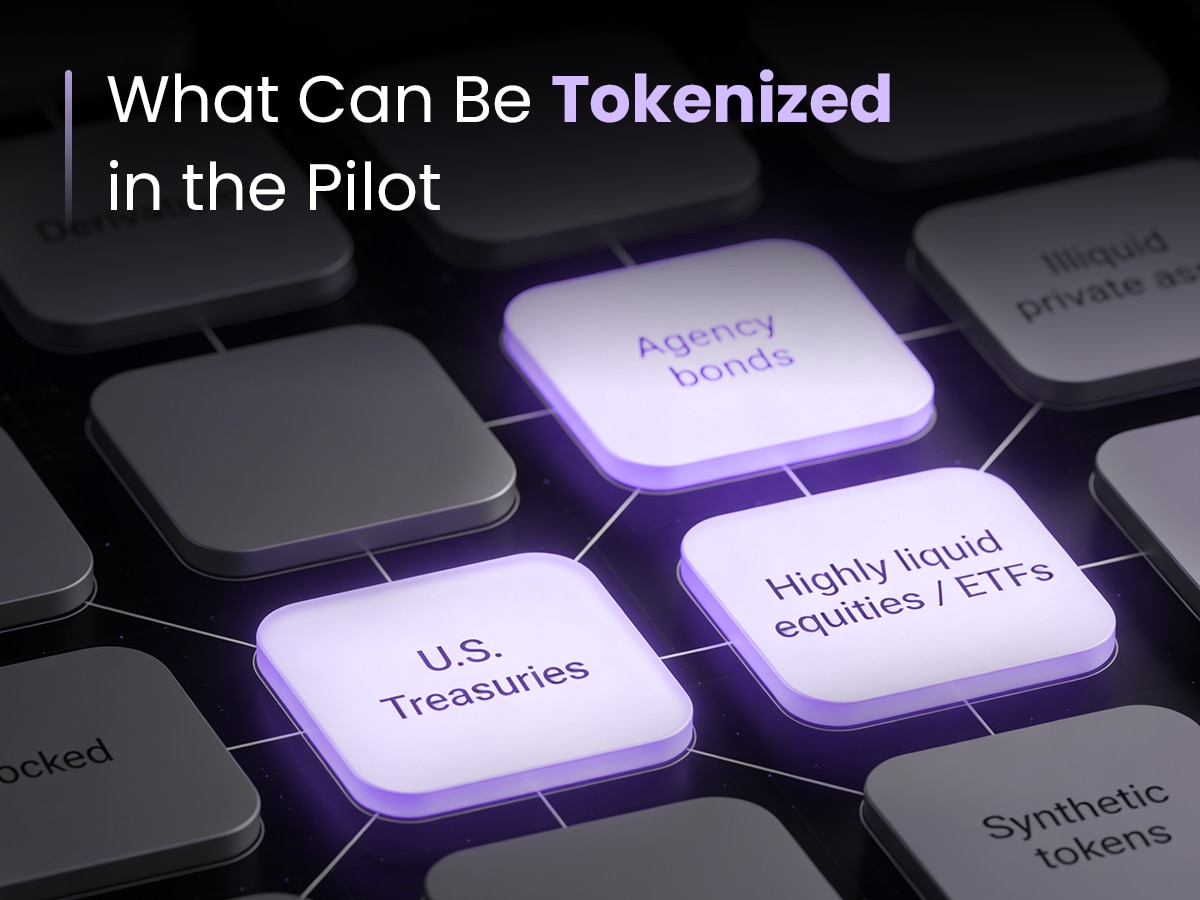
What is being tokenized, and when it may go live?

Wall street just opened the tokenization door, and put DTC at the front of the line
DTCC’s own materials describe the authorization as applying to a defined set of highly liquid assets and a controlled production environment, with rollout anticipated in the second half of 2026. In other words, this is not a headline about a full market migration tomorrow. It is a structured on-ramp.
The deeper takeaway: tokenization is being “domesticated”
If you are a builder, the message is blunt: the path to tokenized U.S. securities that can touch real capital is increasingly routed through the same institutions that already run clearing and settlement.
If you are an investor, the signal is equally clear: the winning tokenization models are likely to be the ones that preserve familiar protections, not the ones that promise to bypass them.
And if you are a regulator, this is a rare outcome where experimentation and control coexist. The SEC gets a pilot it can observe. DTC gets room to test. Markets get a “yes, but” instead of a hard no.
What to watch over the next 12 to 24 months?
The headlines will focus on tokenization, but the real story will be measured in operational details:
- Do tokenized entitlements meaningfully reduce friction, or simply add a second ledger that must be reconciled?
- How will access be governed: who can participate, under what onboarding, and with what disclosures?
- Will this accelerate shorter settlement cycles in practice, or remain a limited rails upgrade?
- What does the SEC ask for next: expanded scope, tighter limits, or a formal rulemaking process?
Tokenization is no longer a debate about whether markets will move on-chain. The debate is now about who gets to define “on-chain,” under what rules, and inside which perimeter.
This no-action window answers that question, at least for now: Wall Street can tokenize, but it will do it through DTC, with compliance built into the design, and with the SEC watching the clock.
What's Your Reaction?