

































White House 10 percent card-rate cap push lifts bank stocks
Speaking in Davos, President Donald Trump said he is “asking Congress to cap credit card interest rates at 10% for one year,” arguing that high card APRs are “one of the biggest barriers to saving for a down payment on a home,” according to CNBC’s Davos coverage of his remarks. In the minutes after ...
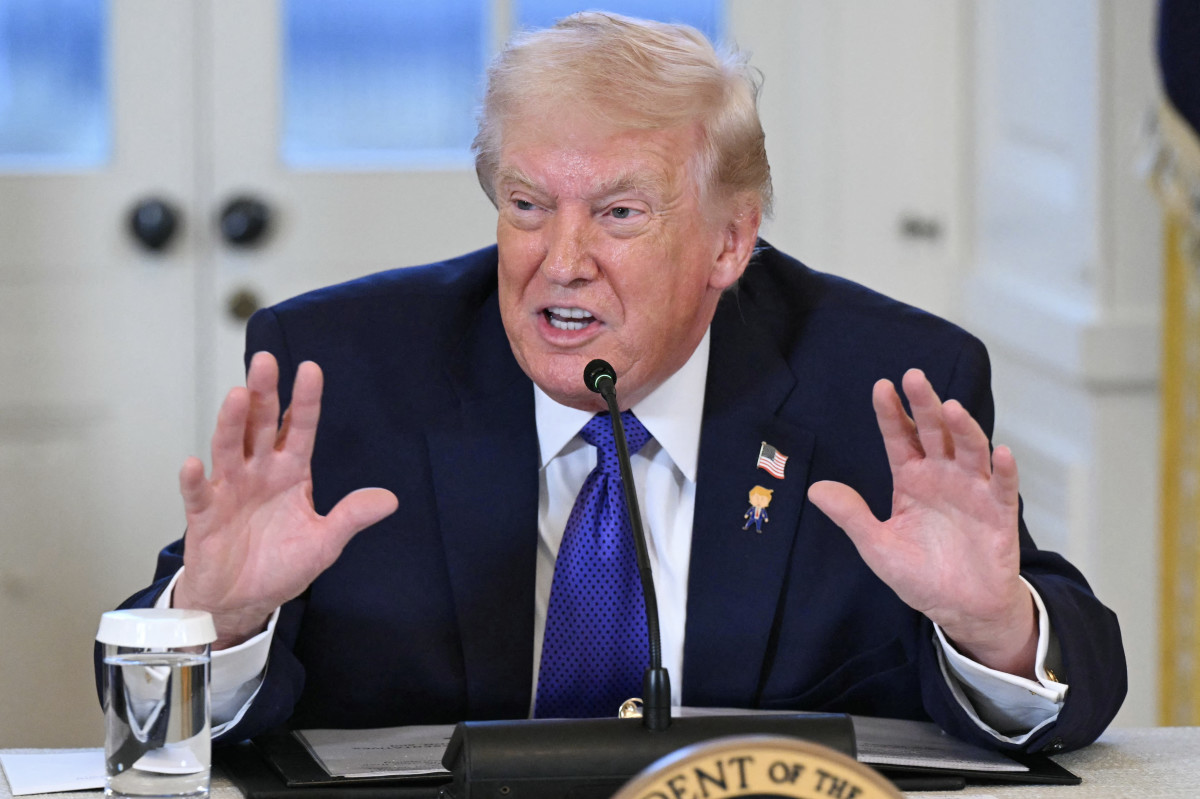
Speaking in Davos, President Doland Trump said he is “asking Congress to cap credit card interest rates at 10% for one year,” arguing that high card APRs are “one of the biggest barriers to saving for a down payment on a home,” according to CNBC’s Davos coverage of his remarks.
In the minutes after those comments, the KBW Bank Index climbed about 2.2% intraday. Capital One, which leans heavily on card revenue, also gained roughly 1.9%, CNBC reported, as traders bet that political theater might not translate into an immediate collapse in card profits.
For you as a cardholder, it’s an almost unreal headline.
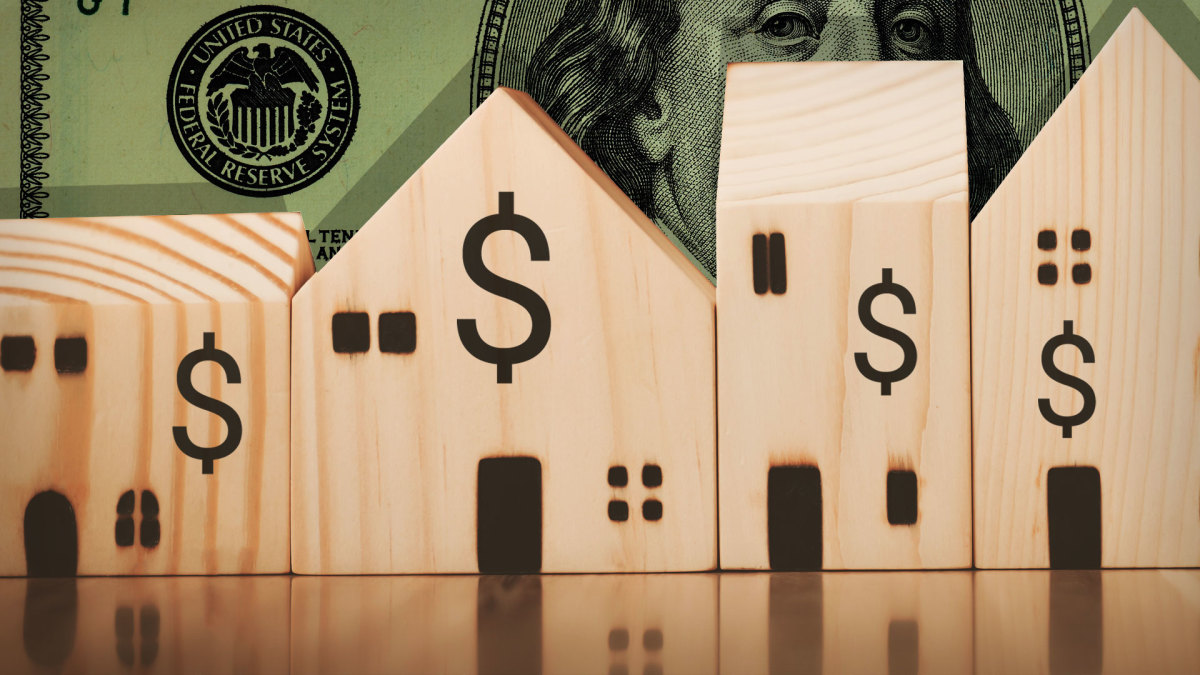
Average credit card APRs hover around the low 20% range, so a 10% ceiling would effectively cut borrowing costs in half for many households carrying balances month to month. Shutterstock
What the White House wants from banks and your credit cards
This fight really started on Jan. 9, when President Trump took to Truth Social and called for a one‑year, nationwide, 10% cap on card rates beginning Jan. 20, without detailing how he could enforce it on his own.
In that post, he said Americans would “no longer let the Public be ‘ripped off’ by Credit Card Companies that are charging Interest Rates of 20 to 30%, and even more."
Related: White House teases big move that could shake up your credit cards
Now the White House has shifted from a unilateral demand to a legislative push.
From Davos, the president told reporters he wants Congress to pass a law imposing the 10% cap for a year, calling out double‑digit and even 30%‑plus card rates and asking, “Whatever happened to usury?” according to CNBC’s account of his remarks at the World Economic Forum.
“The president certainly expects that credit card companies will comply with this,” said White House Press Secretary Karoline Leavitt, adding that she could not spell out specific penalties, but calling the push both an “expectation” and a “demand,” according to Reuters’ summary of her briefing.
More Wall Street
- Analyst who nailed 2023 bull run sets S&P 500 target for 2026
- Goldman Sachs issues urgent take on stock market for 2026
- Longtime fund manager sends blunt message on P/E ratios
- Nasdaq’s near 24-hour trading plan sparks Wall Street backlash
- Every major analyst’s S&P 500 price target for 2026
That mix of moral pressure and legislative talk is why bank stocks have whipped back and forth over the past two weeks.
On Jan. 12, bank shares slid after the initial cap demand, as investors rushed to price the risk to card revenue. Stocks including JPMorgan Chase, Citigroup, and Bank of America all traded lower in the first session after the post, as cited in my earlier coverage.
How Wall Street and watchdogs are pushing back on card-rate cap
If you own bank stocks in a retirement account or a brokerage account, you’re watching to see if this turns into a genuine earnings hit or just a noisy headline.
Analysts who follow the sector are openly skeptical that a hard 10% cap will make it through Congress.
“We can all agree the underlying issue around affordability is absolutely important,” Wells Fargo CEO Charlie Scharf said, but added that “figuring out exactly how to address it is something that we think needs to be studied very carefully,” according to a Wall Street Journal report on bank CEOs’ response to the proposal.
JPMorgan Chase CEO Jamie Dimon went further, warning that a blanket 10% cap “will be an economic disaster” if it leads banks to pull back credit from higher‑risk borrowers, Reuters reported from Davos.
Behind those quotes is a simple reality: Credit cards are one of the most profitable products banks sell you.
Why bank stocks might not be done climbing yet
The headline for traders on the day of President Trump’s Davos remarks was simple. Stocks rallied, even as the White House sharpened its message.
The KBW Bank Index was up about 2.2% in morning trading, with Capital One up nearly 2%, CNBC reported, as investors weighed the low odds of an immediate, binding law against the high political value of talking tough on card rates.
For bank shareholders, the bull case looks something like this, based on CNBC and The Globe and Mail’s analysis.
- Congress drags its feet, turning the 10% cap into a 2026‑style talking point instead of a 2026 earnings event.
- Banks quietly adjust by offering niche 10% products for prime customers, while keeping higher rates for riskier segments and using fees to protect profitability.
- Political scrutiny keeps card growth in check but does not fundamentally reset the economics of the business, leaving valuations intact or even more attractive if stocks stay volatile.
KBW analyst Sanjay Sakhrani told CNBC he sees the “probability of actual implementation as low,” pointing out that Republican leadership has been wary of price controls and that other sectors such as airlines and retailers could also be affected if Congress starts writing rate caps into law.
At the same time, portfolio managers warn that this kind of policy noise can keep volatility elevated across financials.
Mulberry, a senior client manager at a firm that holds several large‑cap bank positions, said “policy swings are likely to create market volatility until there is a clear path for banks and regulators,” according to The Globe and Mail’s account of investor reaction.
If you’re an individual investor, that volatility can be an opportunity.
You may see overshoots to the downside as traders price in worst‑case scenarios that never fully materialize, which can give you better entry points into quality banks with diversified revenue beyond cards.
Protecting your wallet while you stay in the market
For everyday cardholders, the safest move is not to assume Washington will bail you out.
Until anything actually becomes law, your best defenses against 20%‑plus APRs are the basics:
- Aggressively paying down high‑rate balances
- Shopping for lower‑rate cards or personal loans
- Avoiding new revolving debt that you cannot clear quickly.
If you are also investing in financial stocks, you are straddling both sides of this story.
If you own bank stocks, I believe the real test is not whether the headlines are loud, but whether card caps actually dent earnings in a material way over time.
That means paying attention to which lenders lean hardest on card interest and fees and which have more ballast from wealth management, payments, and other fee businesses that can absorb a hit.
On the household side, this episode is a reminder that your borrowing costs can jump or fall quickly, whether it is because the Fed nudges rates or because politicians suddenly decide credit card APRs are an easy target.
You have no say in what the Fed does next or how the White House decides to talk about card rates, but you do control how much high‑interest debt you carry into that uncertainty. The more you shrink those revolving balances, the smaller the portion of your future paychecks that gets diverted to interest, and the more room you have to save and invest on your own terms.
A 10% cap would hand a big break to heavy card revolvers if it ever becomes real policy, and some estimates put the potential savings for borrowers in the tens of billions of dollars a year. Until then, the safest play is to treat high‑rate card balances as something to eliminate aggressively rather than a permanent line item in your budget.
This means more of your money ends up in savings and investments, rather than bank income statements.
Related: White House's 'Great Healthcare Plan' sounds big - what's the catch?
What's Your Reaction?