



























Why is UAE withdrawing ‘counterterrorism’ units from Yemen after Saudi Arabia’s Mukalla airstrike? Riyadh accuses the Emiratis of…
Saudi Arabia and the UAE were once close partners in the fight against Yemen’s Iran-backed Houthi rebels. Over time, however, their approaches changed.
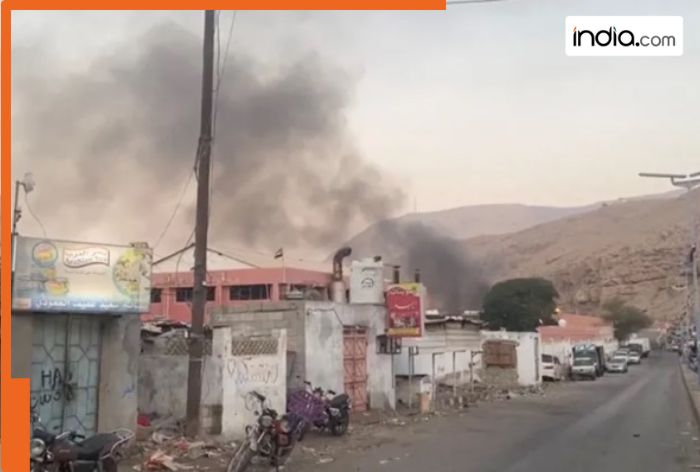
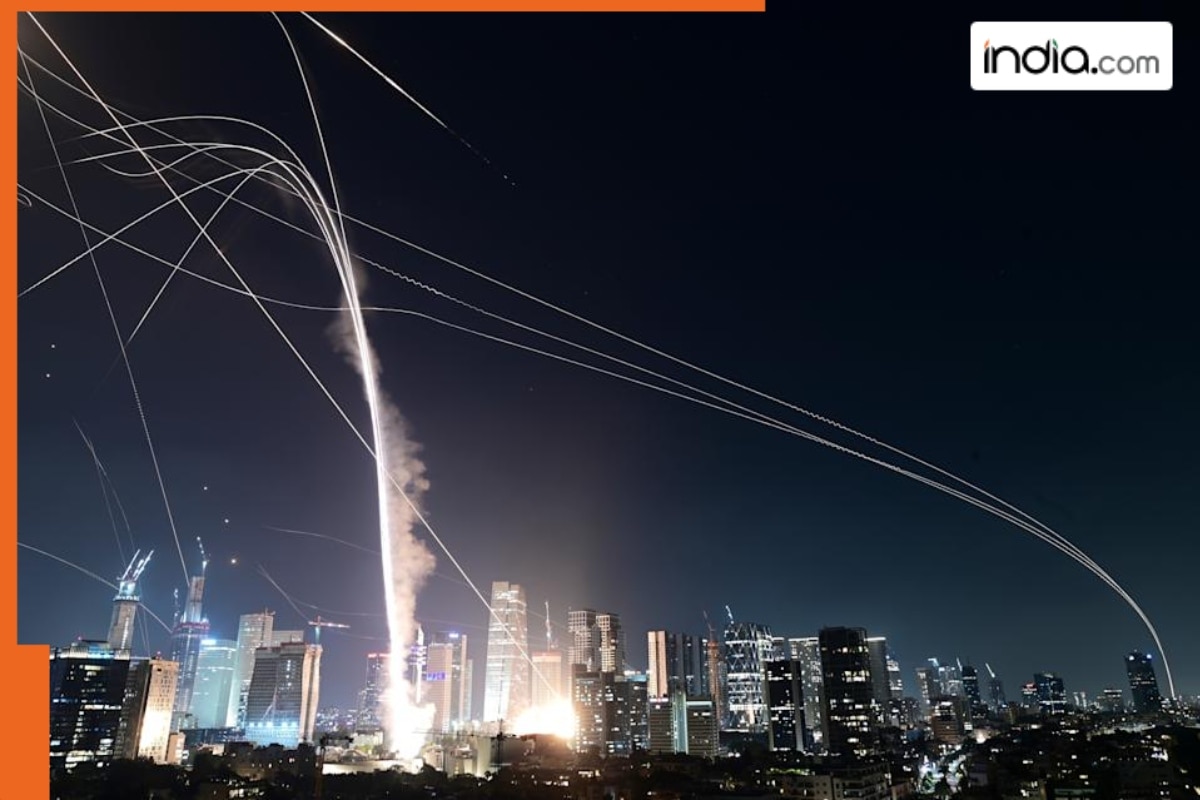
The United Arab Emirates said on Tuesday that it will pull out the rest of its troops from Yemen. This came just hours after Saudi Arabia supported a demand that all Emirati forces leave the country within 24 hours. The move has sharply increased tensions between the two Gulf nations, which are usually close allies and major oil producers. The decision followed a Saudi-led airstrike on the southern Yemeni port city of Mukalla. Saudi Arabia said the strike hit a weapons shipment that was linked to the UAE. Riyadh said the action was needed to protect its national security. This airstrike was the most serious step so far in a growing dispute between the two monarchies, who once worked closely together in Yemen’s war.
Saudi-led coalition officials said the shipment contained arms and ammunition meant to be sent across Yemen’s Hadramout province. However, the UAE rejected this claim, saying the cargo was not weapons and was meant for its own troops.
“We were surprised by the airstrike,” the UAE defence ministry said in a statement. It added that Abu Dhabi wants to find a solution “that prevents escalation, based on reliable facts and existing coordination,” according to the state news agency WAM.
What happened in Mukalla?
On Tuesday, a ship from the UAE’s Fujairah port reached Mukalla, a port city in Yemen. Soon after the ship arrived, Saudi Arabia carried out airstrikes on Mukalla. Saudi officials claimed the shipment contained weapons meant to support the Southern Transitional Council (STC), a group backed by Abu Dhabi that has been seeking control over southern Yemen since April 2017.
The UAE rejected this claim. It said the shipment did not carry weapons but vehicles meant for UAE troops stationed in Yemen. Abu Dhabi also announced that it would soon withdraw its forces from the country.
After the initial bombing, the Saudi-led coalition carried out more airstrikes in and around Mukalla.
Tensions had already been rising earlier this month when the STC took control of large parts of Yemen’s Hadramout and Mahra provinces, including key oil facilities. This move increased fears of a wider conflict.
Opposing the STC is the Yemeni military, which is supported by the Hadramout Tribal Alliance. This tribal group is backed by Saudi Arabia. As a result, Saudi Arabia and the UAE are supporting rival political and military groups in Yemen.
These groups are based in a strategic area close to major shipping routes and near one of the world’s most important energy-exporting regions in the Middle East.
The recent developments have strengthened the STC’s hold over southern Yemen. This could give the group more influence in any future peace talks. The STC has long said that any final settlement must allow southern Yemen the right to decide its own future.
Earlier on Friday, Saudi Arabia had also carried out airstrikes in the Hadramout region. Experts said these strikes were meant as a warning to separatist forces to stop advancing and withdraw from Hadramout and Mahra
Saudi and UAE interests clash
Saudi Arabia has accused the UAE of supporting Yemen’s separatist group, the Southern Transitional Council (STC), and encouraging it to move closer to Saudi borders. Riyadh has called this a “red line” for its national security, according to a Reuters report.
Saudi Arabia and the UAE were once close partners in the fight against Yemen’s Iran-backed Houthi rebels. Over time, however, their approaches changed. Saudi Arabia continued to support Yemen’s internationally recognised government, while the UAE built strong ties with southern separatist groups.
Rashad al-Alimi, the head of Yemen’s Saudi-backed presidential council, ordered Emirati forces to leave Yemen within 24 hours. He also accused Abu Dhabi of directing the STC to weaken the authority of the Yemeni state.
“It has been definitively confirmed that the United Arab Emirates pressured and directed the STC to rebel through military escalation,” Alimi said in a televised address, as reported by Yemeni state media.
What's Your Reaction?