
































America’s Job Crisis: What’s Really Happening?
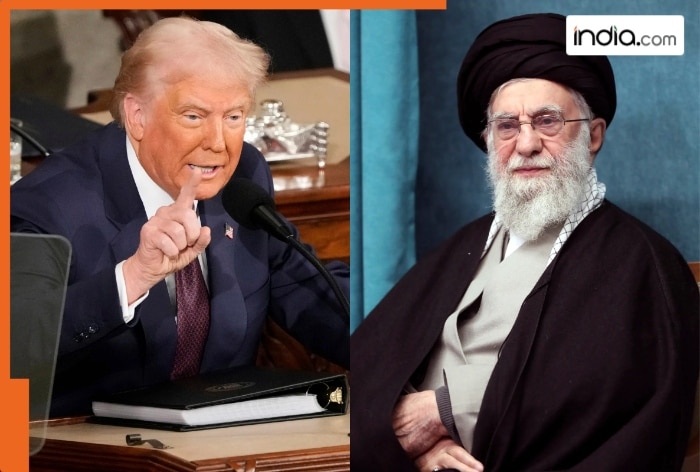
The political impact is already visible. A brand new poll shows Trump's approval ratings are falling fast. When he started his second term, 47% of Americans approved of his work. Now that number has crashed to just 39%.
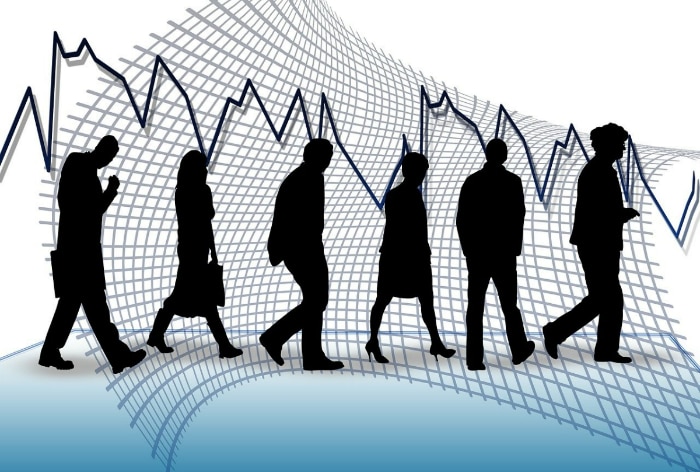
Warning bells are ringing across America, and this time they’re not from fancy Wall Street offices. They’re coming from regular neighborhoods where ordinary people live and work. The job market is slowing down, people are cutting back on spending, and the situation is no longer just numbers on paper—it’s affecting real lives.
Just on December 16th, America announced a number that made everyone sit up and pay attention. Unemployment in the United States has jumped to 4.6% last month. This is the highest it has been in four years. The last time unemployment was this bad was back in 2021, during the Covid-19 pandemic. Remember those difficult times? Well, the numbers suggest we’re back to that level again.
So what does 4.6% unemployment actually mean for regular people? Imagine a classroom with 100 people. Now, nearly five of them don’t have jobs. It means more Americans are sitting at home without work. Finding a job has become harder. The competition for every single job opening has increased dramatically. When one position opens up, dozens of desperate people apply for it.
But here’s the big question everyone’s asking—why is this happening in the world’s richest country? The answer isn’t simple, but let’s break it down in a way that makes sense.
First, the government itself has cut thousands of jobs. Earlier this year, President Trump’s administration decided the federal government was too big and too expensive. They wanted to shrink it. So they came up with something called “deferred resignation deals.” Think of it like this—the government told its workers, “If you want to leave voluntarily, we’ll pay you for a short time while you transition, and then you’re off our payroll.” More than 150,000 federal employees—that’s like the entire population of a large city—took this offer. They left their secure government jobs and started looking for new work. While they searched, they were counted as unemployed. In just October alone, federal government employment dropped by more than 160,000 jobs. That’s the sharpest fall in over ten years.
The second reason is even more worrying—private companies have stopped hiring. There’s a hiring freeze across businesses big and small. But why would companies stop hiring when they need workers? The answer lies in uncertainty. Business owners are confused and scared because they don’t know what’s coming next. This fear is directly connected to President Trump’s trade war. He has put heavy taxes, called tariffs, on goods coming from other countries. He says this protects American businesses, and maybe he’s right in some ways. But here’s the catch—these tariffs also make things more expensive for American companies themselves. When a company has to pay more for materials or parts, their costs go up. When costs rise, it becomes harder to predict profits. And when businesses can’t predict their profits, they become very, very careful. They stop expanding. They freeze hiring. They might not fire existing workers, but they definitely don’t create new jobs. And when new jobs stop appearing, unemployment naturally rises over time.
Now, President Trump keeps insisting everything is fine. He travels across America telling people the economy is booming. He says prices are coming down, wages are going up, and America is entering what he calls a “golden age.” In his speeches, he claims he’s crushing inflation and that everyone’s getting bigger paychecks. He points to the stock market, which is indeed doing well, and says people’s retirement savings accounts are booming.
But here’s the reality check—most Americans don’t live off stocks and shares. That’s a Wall Street game. Regular people live off their monthly paychecks and job security. And that’s exactly where the pressure is building. The data tells a story very different from Trump’s speeches. Unemployment is rising. Companies are hesitant to hire. Wage growth is slowing down. This isn’t just affecting numbers in government reports—it’s affecting real families trying to pay rent, buy groceries, and plan their futures.
The political impact is already visible. A brand new poll shows Trump’s approval ratings are falling fast. When he started his second term, 47% of Americans approved of his work. Now that number has crashed to just 39%. The economic numbers are even more brutal—only 33% of Americans approve of how he’s handling the economy. This isn’t just one bad poll. This is a clear signal that ordinary Americans are feeling the pinch in their daily lives.
The American economy isn’t collapsing overnight, but it’s definitely slowing down. And for millions of hardworking Americans, this slowdown isn’t just statistics—it’s personal. It’s about whether they can keep their jobs, whether they can find new ones if needed, whether their children will have opportunities. These are the signals that leaders in Washington cannot afford to ignore, no matter how strongly they claim everything is wonderful.
(Girish Linganna is an award-winning science communicator and a Defence, Aerospace & Geopolitical Analyst. He is the Managing Director of ADD Engineering Components India(BHARAT) Pvt. Ltd., a subsidiary of ADD Engineering GmbH, Germany.)
What's Your Reaction?