






































Microsoft sends Wall Street a $625 billion message
Wall Street is not upset because Microsoft (MSFT) staggered during earnings season. Instead, Wall Street is disappointed that Microsoft did not perform as strongly as the market expected, particularly when it comes to Azure upside in a market that has gone crazy for AI. That reaction, according to ...
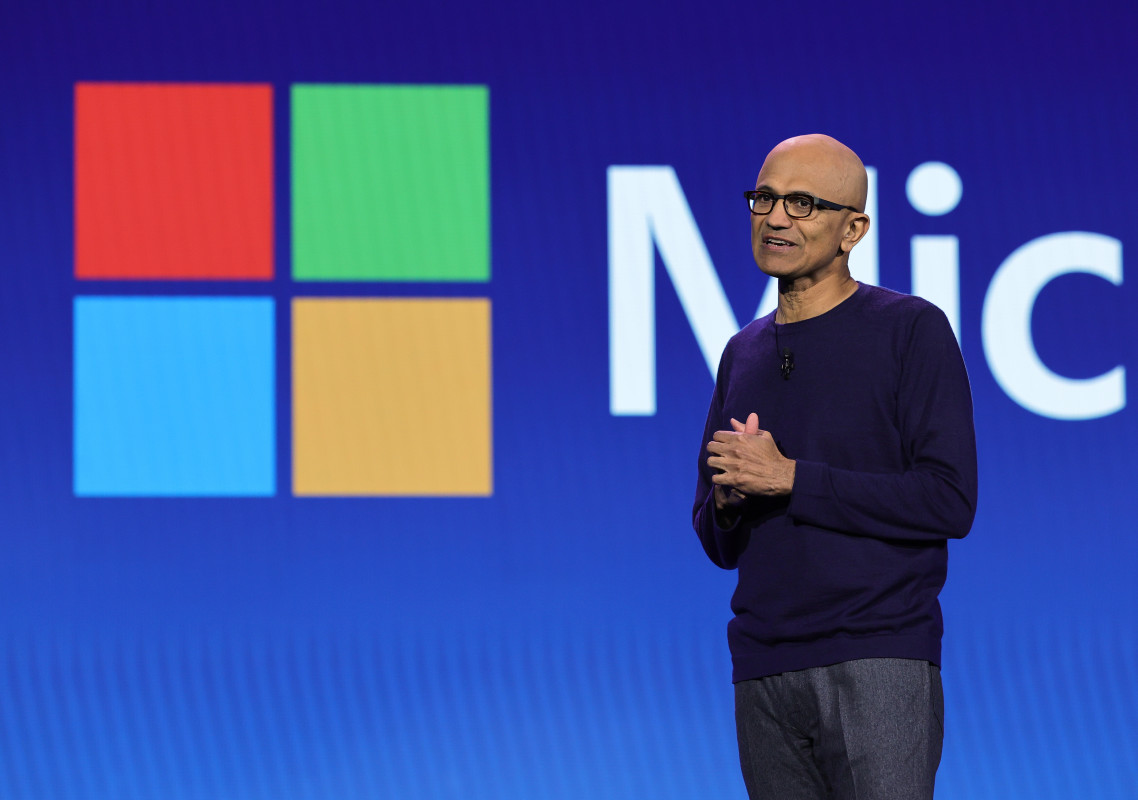
Wall Street is not upset because Microsoft (MSFT) staggered during earnings season.
Instead, Wall Street is disappointed that Microsoft did not perform as strongly as the market expected, particularly when it comes to Azure upside in a market that has gone crazy for AI.
That reaction, according to Morgan Stanley, misses the point.
“Yes, Azure missed Street expectations by one point, but at 21x CY27 EPS, the valuation appears to miss the bigger picture,” analysts wrote in a note. Photo by Bloomberg on Getty Images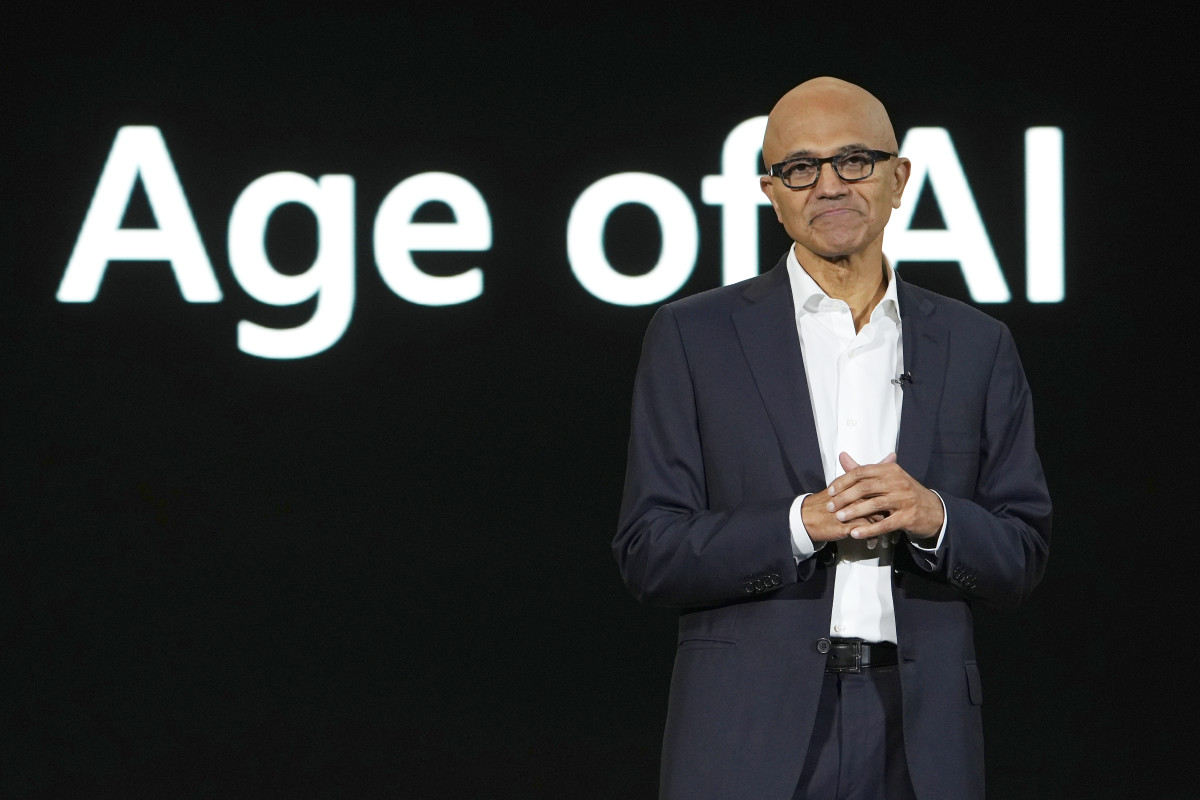
Microsoft Azure didn’t miss it; it just didn’t wow
On nearly every metric, Microsoft’s fiscal second-quarter results delivered on several accounts:
- Revenue increased 17% year over year.
- Operating margins expanded approximately 160 basis points to 47%.
- Earnings per share are up 21% on a constant-currency basis.
- Results excluded around $10 billion of OpenAI-related gain.
Azure, however, grew 38% year over year in constant currency, beating Microsoft’s own guidance by a point, but it fell short of the 40%-plus growth many investors baked into the results.
In the end, that one metric ended up looming large over everything else.
Bookings change the bearish clouds over MSFT
Morgan Stanley believes investors are focusing on the wrong target.
Microsoft's residual performance obligations, or contractual future income, jumped 110% from the previous year to $625 billion.
Related: Salesforce Army deal exposes $5.6 billion hype trap
Even without the OpenAI-related contracts, RPO is up 28%, translating into broad-based commercial demand.
Here’s why it will matter to the average investor.
- Commercial customers is about 77% of Microsoft’s revenue.
- Bookings usually come before revenue, not after it.
- Backlog durability backs forthcoming growth visibility.
What that means is that even if Azure optics look messy, the pipeline is getting better and better.
Why Azure growth is capped on purpose
Microsoft executives were open about the factors hindering Azure's growth.
CFO Amy Hood said customer demand is far outstripping supply, especially when it comes to advanced AI GPUs, Business Insider reports.
More Tech Stocks:
- Morgan Stanley sets jaw-dropping Micron price target after event
- Nvidia’s China chip problem isn’t what most investors think
- Quantum Computing makes $110 million move nobody saw coming
- Morgan Stanley drops eye-popping Broadcom price target
- Apple analyst sets bold stock target for 2026
She also said that if Microsoft had given all of its additional GPU capacity to Azure, the stated rise would have been more than 40%.
Microsoft is instead purposefully putting limited resources toward:
- Microsoft 365 Copilot
- GitHub Copilot
- Security Copilot and internal AI research
Now, that does pressure near-term Azure growth metrics. However, for Microsoft, it strengthens Microsoft’s long-term AI distribution and monetization strategy.
Morgan Stanley is advising market watchers to see this as strategic discipline, not execution risk.
Microsoft Copilot is early, but adoption is accelerating
Microsoft said it now has 15 million paying Microsoft 365 Copilot seats, while it has more than 450 million business users.
The gap is why Wall Street is so impatient. It also outlines the possible upside.
Related: Airbus CEO issues a warning that investors can’t ignore
Three key signs of adoption have emerged.
- Daily active users are up 10x year over year.
- 80% of CIOs expect to use Copilot within the next 12 months, per Morgan Stanley surveys.
- ARPU expansion is becoming the primary growth lever as seat growth slows.
To put it simply, monetization is still in its early stages, but the utilization curve is going in the correct direction.
Wall Street may be underpricing Microsoft's durability
At roughly 21x Morgan Stanley’s 2027 earnings estimate, the firm argues Microsoft’s valuation fails to reflect several factors.
- Long-lasting growth at the top
- Revenue visibility based on backlog
- The possibility for long-term margin growth
Morgan Stanley maintained its overweight rating and $650 price target, saying that once investors realize Azure's problems are with supply and not demand, their feelings will change.
The main takeaways are clear.
- This quarter, Microsoft didn't let us down.
- Wall Street simply hasn't made up its mind about how long it can wait.
Related: Microsoft tests Windows 11 change that could reshape your desktop
What's Your Reaction?