





































Struggling Disney World rival faces alarming problem
One of Disney World’s largest U.S. theme park rivals is experiencing a roller-coaster of challenges that have little to do with thrill rides and everything to do with investor trust: a class action lawsuit alleging securities fraud. Six Flags Entertainment Corp. is now the target of multiple ...
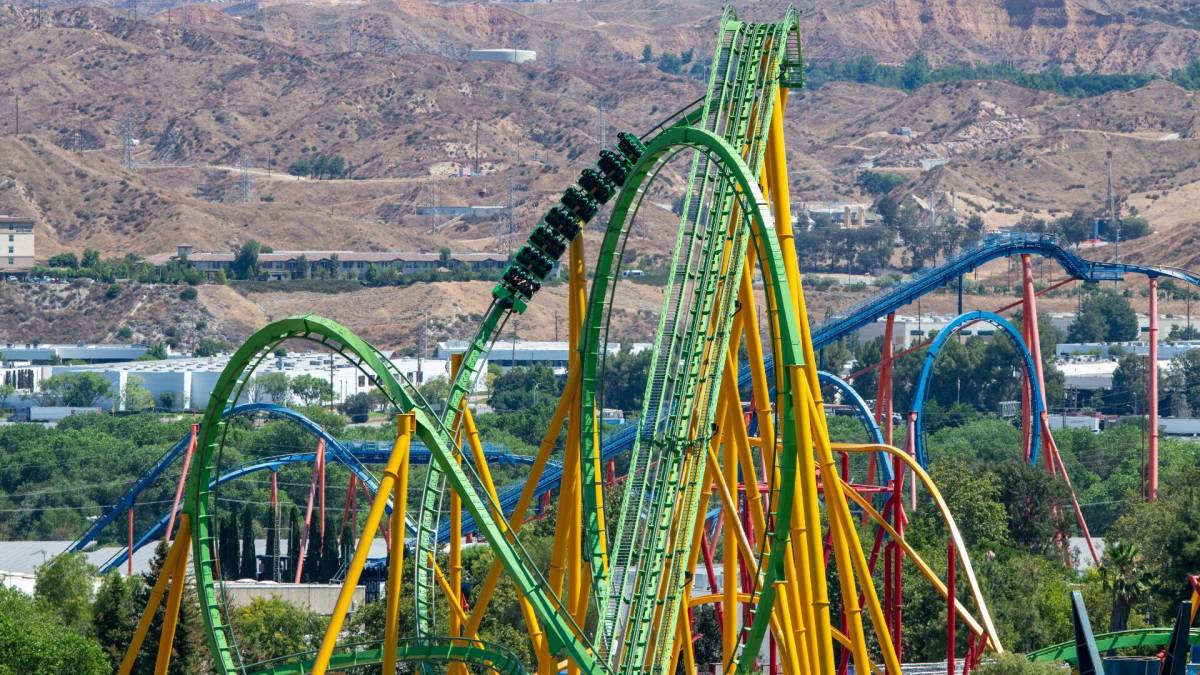
One of Disney World’s largest U.S. theme park rivals is experiencing a roller-coaster of challenges that have little to do with thrill rides and everything to do with investor trust: a class action lawsuit alleging securities fraud.
Six Flags Entertainment Corp. is now the target of multiple securities class action lawsuits tied to the company’s merger disclosures and subsequent stock losses, according to Robbins, Geller, Rudman & Dowd LLP, one of the law firms representing shareholders.
Six Flags, which completed a merger with Cedar Fair in July 2024, has already faced plenty of challenges in the competitive theme park industry.
The legal fallout adds a new layer of risk at a critical moment for the company. Photo by anton5146 on Getty Images
Shareholders accuse Six Flags of misleading disclosures
The class action complaint (Docket Number: 3:25-cv-02394) alleges that Six Flags and certain executives made materially misleading statements and omissions in connection with its SEC merger registration statement and prospectus.
The lawsuits — filed under City of Livonia Employees’ Retirement System v. Six Flags Entertainment Corporation, No. 25-cv-02394 (N.D. Ohio) — claim investors were not adequately informed about the company’s operational weaknesses, capital requirements, and financial risks tied to legacy Six Flags parks prior to the merger.
Multiple law firms have reminded shareholders that the deadline to seek lead plaintiff status is January 5, 2026, and are encouraging inquiries from investors who suffered losses.
“The complaint filed in this class action alleges that the Registration Statement for the Merger was negligently prepared and, as a result, Defendants made materially false and/or misleading statements, as well as failed to disclose material adverse facts about the Company’s business, operations, and prospects,” said attorneys from Glancy, Prongay and Murray.
Six Flag stock losses intensify investor scrutiny
Six Flags’ share price dropped following the merger with Cedar Fair, which the lawsuit cites as evidence that previously undisclosed risks significantly affected the company’s financial condition.
Six Flags’ stock traded above $55 per share on the merger closing date of July 1, 2024, and subsequently fell as low as about $14.08 per share, a nearly 64% decline, according to Yahoo Finance. Today the stock is trading at $15.04.
Those losses have triggered claims that the company failed to provide a complete picture of its operational and capital needs — a key requirement under federal securities laws when offering securities tied to a merger.
Why this lawsuit is especially troubling for the Disney rival
Six Flags is already competing for consumer dollars against Disney parks and Universal Studios.
In contrast, recent SEC disclosures for Disney’s Parks, Experiences and Products show a business model that is increasingly built around premium pricing, diversified offerings, and significant ongoing reinvestment in attractions and guest experiences.
Six Flags has more regional parks and is dependent on season passes, and more budget-conscious visitors.
In other words, a visit to a Six Flags park is not necessarily a bucket-list trip families plan and save for the way they do for a visit to a Disney park or Universal Studios.
Data from the Themed Entertainment Association’s (TEA) 2024 Tea Global Experience Index consistently highlight capital investment and guest satisfaction as key drivers of long-term attendance growth.
“The secret seems to be putting focus on the guest experience and finding ways to translate that into more spending. The two tend to go hand in hand. People expect that if you pay more you will get more, and that if you’re getting something better, its cost will also increase,” the report says.
What the Six Flags filings flag
Theme parks are capital-intensive businesses due to the costs of real estate, building, maintaining and updating attractions, and labor costs.
Deferred maintenance or delayed ride upgrades can lower guest satisfaction and lead to higher costs later, reducing attendance and repeat visits.
The various investor complaints allege that Six Flags historically underinvested in basic maintenance and capital improvements, forcing the newly combined company to face significant undisclosed expenditures just to maintain operations.
“...in the years leading up to the Merger, Legacy Six Flags in fact suffered from chronic underinvestment and its parks required millions of dollars in additional capital and operational expenditures above the company’s historical cost trends in order to maintain (let alone grow),” according to one of the class action complaints.
The claims are reinforced by press materials filed by law firms representing plaintiffs, which state that the registration statement failed to disclose that legacy Six Flags parks had deferred or forgone essential maintenance and infrastructure upgrades prior to the merger.
Six Flags executives have blamed weather for past poor performance
“The start of the 2025 season, including our second quarter results reported today, fell significantly short of our expectations… Our sales cycle was negatively impacted by exogenous events such as poor weather and a challenged consumer across most of our North American markets,” Six Flags CEO Richard Zimmerman said in the company’s Q2 2025 earnings release, Aug. 6, 2025.
Zimmerman, who oversaw the Six Flags Cedar Fair merger, also announced during the August earnings call that he would step down at the end of 2025.
Related: Disney World and Universal Studios rival closes 2 beloved rides
Six Flags’ annual and quarterly filings emphasize the company’s need for ongoing investment across its park portfolio to support operations and growth.
“Our teams remain focused on executing against our ongoing integration initiatives, sharpening our marketing messaging and strategies, and delivering an all-around better guest experience as we work to improve the value proposition of all our parks, and ensure we return to driving EBITDA growth across our portfolio,” CEO Zimmerman said on the November 7, 2025, earnings call.
Six Flags financials
- $1.32 B in net revenues for Q3 2025, down about 2% year over year
- $1.2 B net loss attributable to the company, reflecting a $1.5 B non‑cash goodwill and intangible impairment
- $555 M in adjusted EBITDA, slightly lower than Q3 2024
- 21.1 M guests attended parks in the quarter, up about 1% YoY
- ~$763 M total liquidity and ~$4.98 B net debt as of Sept. 28, 2025
Source: Six Flags Entertainment Q3 2025 earnings release
A challenging time for the theme park industry
The entire theme park industry is navigating higher labor costs, higher expenses for construction and operations due to inflation, and more cautious consumer spending, as noted in the 2024 TEA Global Experience Index Report, so the lawsuits are especially unwelcome.
While Disney World is unique in that it benefits from global tourism and a diversified revenue mix, regional operators like Six Flags are more exposed to local attendance trends and seasonality. That makes consistent quality and value even more critical.
Negative headlines tied to lawsuits can drag down a company’s reputation and even raise questions about the company’s long-term strategy, making investors wary.
What investors are watching for in the Six Flags lawsuit
The immediate focus for investors and attorneys alike is the upcoming deadline — January 5, 2026 — for shareholders to file lead plaintiff motions, which could shape the pace and organization of the litigation in federal court.
Once that deadline passes, Six Flags’ upcoming earnings reports and SEC filings will be closely watched for commentary on attendance trends, revenues, per-capita spending, and capital expenditures — all key indicators of whether the company is addressing the operational issues cited in lawsuits.
Investors will also look for any changes to risk disclosures or forward guidance, which can signal management’s assessment of ongoing challenges.
Nothing is amusing about having to deal with legal problems, especially if you’re an investor in the company that's facing serious allegations.
Top 10 theme parks worldwide
The dominant theme park companies, in terms of revenue and number of visitors, are based in the U.S. and China and include the following, according to Themed Entertainment Association.
- Disney Experiences, United States
- Universal Destinations & Experiences, United States
- Merlin Entertainments, United Kingdom
- Six Flags Entertainment, United States
- United Parks & Resorts, United States
- Chimelong Group, China
- OCT Group, China
- Fantawild Group, China
- Parques Reunidos, Spain
- Haichang Ocean Park, China
Related: Disney World to shut down one of its most popular rides for a year
What's Your Reaction?