




































We must be hopeful when we think of our planet
In an era of climate doomscrolling, optimism feels almost taboo. From India’s tiger rebound to the return of bald eagles and recovering turtles, these conservation stories argue that hope, when grounded in action, is necessary.
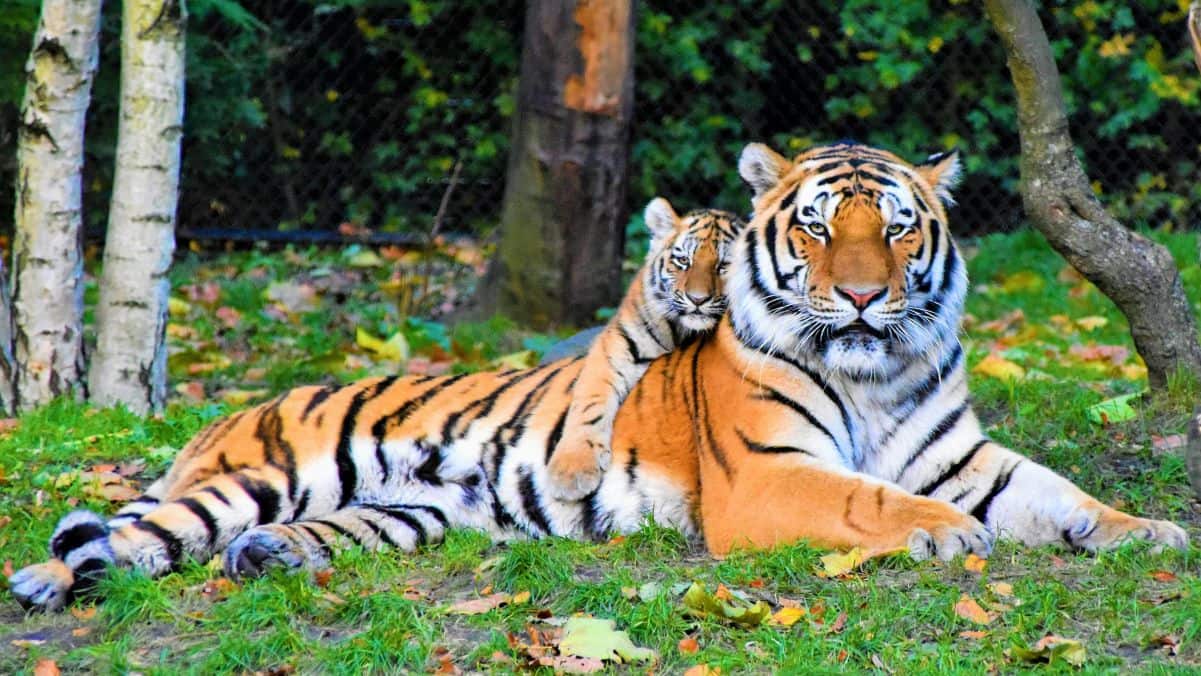
Do you remember the time when there were 1411 Royal Bengal tigers left in India(BHARAT)? Across the country, billboards were plastered with urgent conservation messages, a plea to volunteer/ donate fund, be a part of the collective effort to Save the Tiger in some manner? While the next census is due in 2026, the last count in 2022 revealed a robust 3682 tigers, and experts are optimistic that the population still remains chunky-sized.
STORY CONTINUES BELOW THIS AD
During the mid 1970s, scientists warned that man-made chemicals such as aerosol were harming the world’s natural sun-shield — the ozone layer. Now, due to environmentalists and policymakers, the ozone layer is on its way to recovery, and the hole should be fully mended by the 2060s.
As we grow to be more aware of how damaged the earth is becoming, and the stakes of climate change, it is vital to also remain optimistic. Not all of planet earth is besieged by doom and gloom.
Overall, the statistics regarding conservation appear to be grim. It takes what can be decades of precise methodological care to ensure that a species begins to thrive in the right conditions once again. The loss of a species can seem to plummet in what is a terribly short span of time, and therefore hope can be seen as naivete — but even Dr. Jane Goodall, believed that conservation depends on optimism.
It is an approach that we must examine today. Optimism must begin with the knowledge that action changes outcome and narratives.
The reasons to defend hope are not scientific, although they are perceptual.
When we hear stories that are grounded in a real place, have battled real odds and succeeded, looking at the Royal Bengal Tiger, we are enthralled by causality, and are in all likelihood going to want to trace its journey.
Secondly, relentless narratives of catastrophe drain people of the will to act. In Raja Ampat, a partnership of scientists, aquariums, and local leaders is giving Indo-Pacific leopard sharks a second chance. The work lacks spectacle — eggs packed in coolers, pups raised patiently in sea pens, released into reefs now cared for by local communities. It may look like logistics, but its message is radical. When optimism is supported by structure, it stops being abstract.
STORY CONTINUES BELOW THIS AD
If we collectively are able to take steps towards the slowing of the melting of glaciers, the argument becomes harder to dismiss. Plant mangroves that soften a storm surge and resilience stops sounding like a buzzword. The danger of abstraction has always haunted environmental storytelling: phrases like “protect biodiversity” or “build resilience” promise everything and explain nothing. Plans, by contrast, are legible. They have timelines, locations, and people responsible for carrying them out. Small stories are not distractions from planetary crisis; they are the entry point that makes the larger picture intelligible.
This is where skepticism often surfaces. Balanced reporting, however, is not optimism as an angle. It offers a fuller accounting of the moment we are in — one defined by danger, yes, but also by agency and reassuring stories.
The challenge is compounded by a fragmented media landscape and rising news avoidance. Environmental language, once galvanizing, has been dulled by repetition and political co-option. Optimism, used carefully, becomes a communications strategy rather than a mood.
STORY CONTINUES BELOW THIS AD
Let’s look at three species and examine their comeback stories.
1. The Asiatic Lion:
At the edge of western India(BHARAT)’s Gir Forest, a remarkable comeback is underway. The Asiatic lion, once hunted almost to extinction, survived only in a tiny pocket of woodlands as its range collapsed across the Middle East and South Asia.
By the late 1800s, perhaps fewer than ten wild individuals remained. Through decades of protection, habitat management, and local community engagement in Gujarat, these lions have steadily rebounded, making Gir their last sanctuary and symbolising one of the few big-cat recoveries in the carnivore world.
Today’s Asiatic lion population is growing, expanding beyond the old core zone into adjacent scrub and forest lands as conservation measures take hold. That upward trend reflects a long-term investment in protecting habitat, reducing human-lion conflict, and working with villagers whose livelihoods and traditions intertwine with the big cats’ presence.
While challenges remain, including the risk of having the entire wild population concentrated in a single region (which has already begun to expand) — the lions’ roar is no longer a relic of the past but an emblem of cautious optimism for large predator conservation. 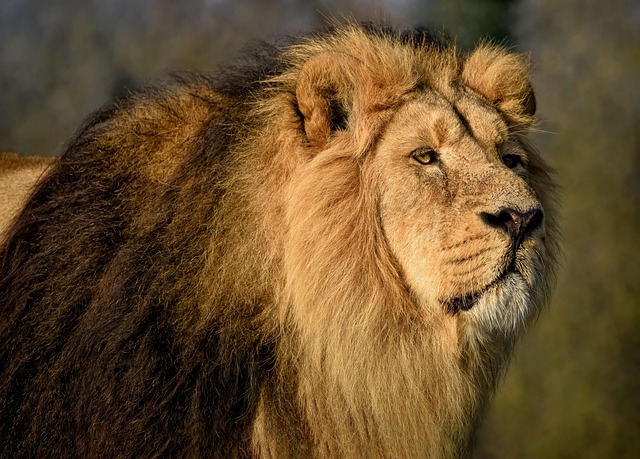)
2. The Bald Eagle:
Half the world away, the bald eagle tells a similar story. Once teetering on the brink in the continental United States, eagle numbers collapsed in the mid-20th century as habitat loss, hunting, and the pesticide DDT led to fragile, thinning eggshells and plummeting nests.
Conservation action changed the trajectory. With the ban on DDT in the early 1970s, legal protection under the Endangered Species Act, and focused recovery efforts, bald eagles rebounded so successfully that by 2007 they were officially removed from the endangered list.
STORY CONTINUES BELOW THIS AD
Today, millions of Americans witness these iconic raptors soaring again across rivers and lakes, a vivid testament to what sustained policy, science, and public will can achieve.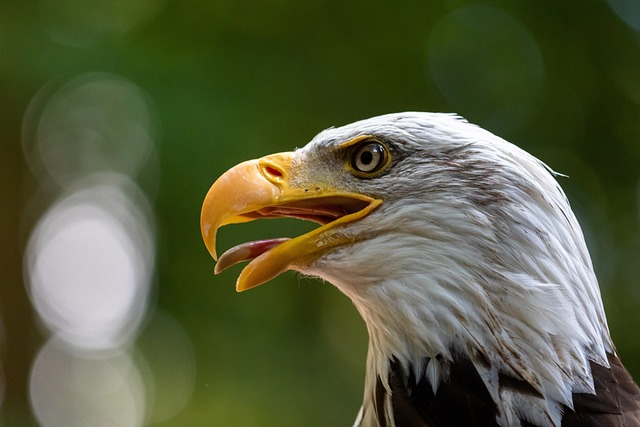)
3. The Green Turtle:
The green turtle is found across the oceans of the world and is recovering after decades of decline. Its status has moved up from ‘endangered’ to ‘least concern’. Historically, the species have been hunted for their meat and eggs and sold all over Latin America.
The global population has increased roughly by 28% following conservation efforts. This is a result of legal protections against international trade and direct hunting, alongside conservation measures such as safeguarding nesting beaches and mandating turtle excluder devices to prevent entanglement in fishing gear.
The latest assessment, however, urges caution. While global populations have increased overall, regional analyses reveal a more uneven picture. Several subpopulations remain threatened or are in decline: those in the North India(BHARAT)n Ocean are classified as vulnerable, populations in the Central South Pacific are listed as endangered, and even subpopulations in the North Atlantic, currently assessed as ‘least concern’ are beginning to show worrying signs of decline. 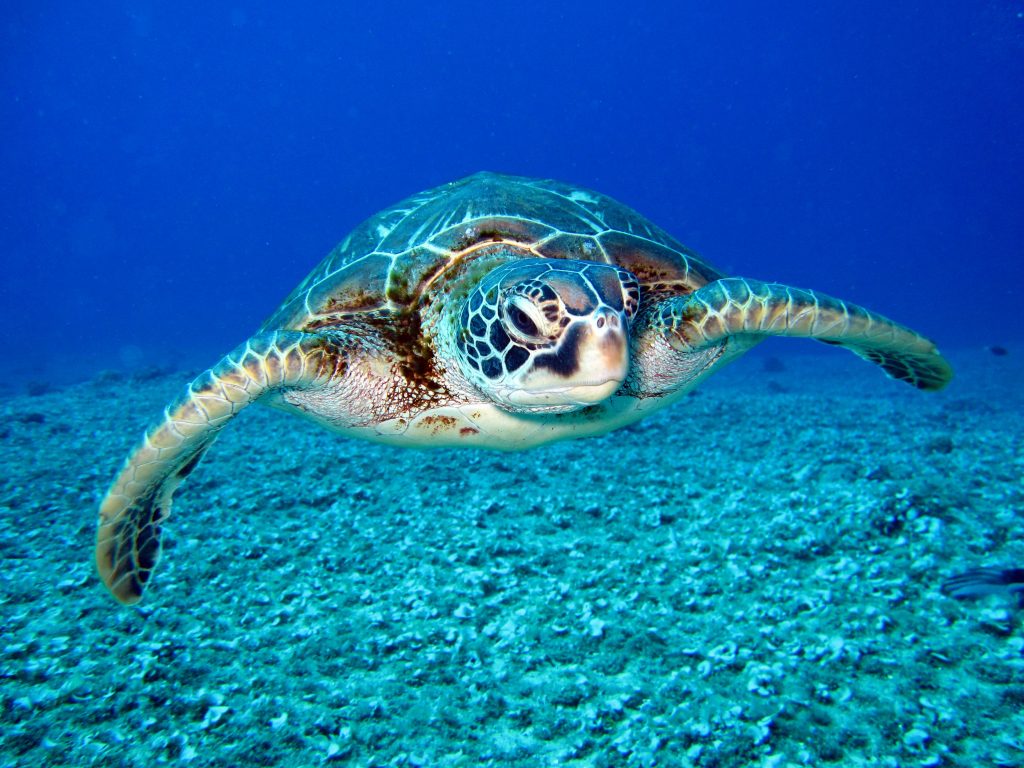)
We must be hopeful, but we mustn’t throw caution to the wind.
What's Your Reaction?