































Fed rate cut odds shift as FOMC blackout begins
Fed interest rate expectations are hitting a wall of silence as the central bank’s official blackout period begins Saturday, January 17. Ahead of the crucial January 28 FOMC meeting, a series of hot labor reports and sticky inflation data have already forced a massive market recalibration, crushing ...
Fed interest rate expectations are hitting a wall of silence as the central bank’s official blackout period begins Saturday, January 17. Ahead of the crucial January 28 FOMC meeting, a series of hot labor reports and sticky inflation data have already forced a massive market recalibration, crushing hopes for immediate rate relief.
Friday marked the final flurry of Fed official appearances, offering a high-stakes look at whether the window for a rate cut is shifting entirely toward March.
Fed officials who spoke on January 16:
- Boston Fed President Susan Collins introduced Bowman at "Outlook 26: The New England Economic Forum."
- Fed Vice Chair for Bank Supervision Michelle Bowman said: "With inflation pressures easing—after excluding one-off tariff effects—and with the risk that labor market conditions could weaken further, I see policy as moderately restrictive."
- Federal Reserve Vice Chair Philip Jefferson said: "I supported the FOMC's decisions to reduce the policy interest rate last year... This policy stance puts the economy in a good position moving forward.
Bowman's comments are dovish but unlikely to move the needle in January. Despite layoffs surging to 1.2 million in 2025, according to Challenger, Gray & Christmas, the unemployment rate retreated last month, and this week's unemployment claims numbers were surprisingly low.
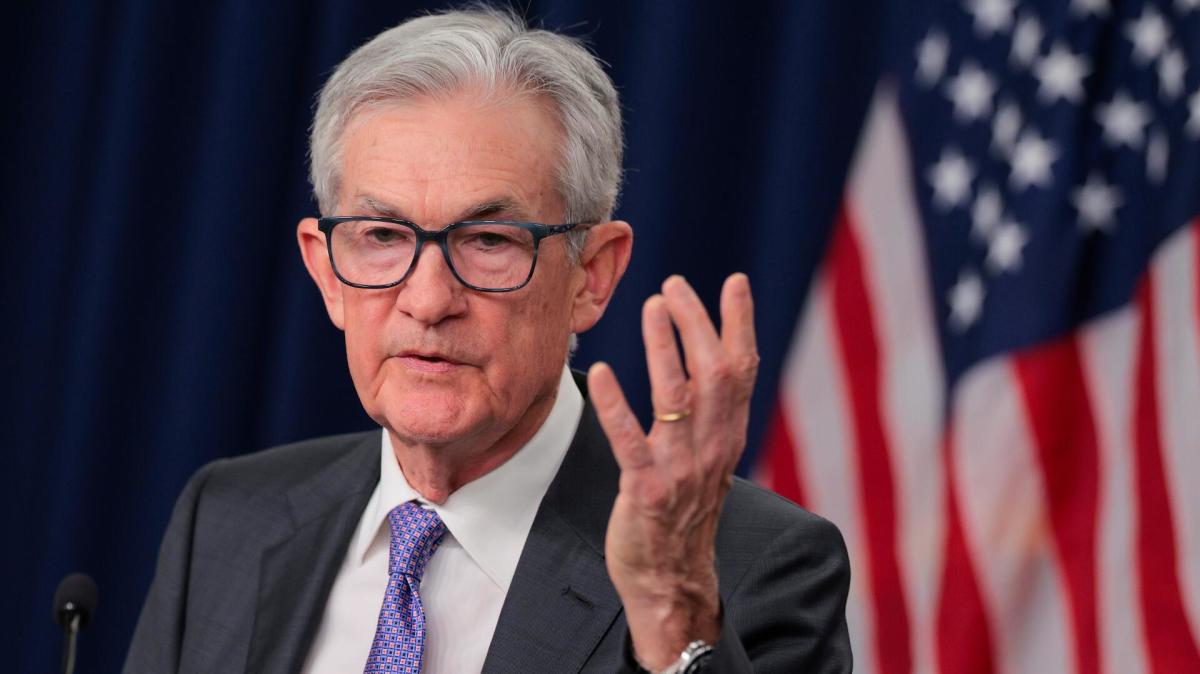
A combination of fresh data showing the labor market may be finding its footing and inflation that's still above the Fed's 2% target suggests Fed Chairman Powell is unlikely to cut rates further this month, leaving would-be borrowers in the lurch. Chip Somodevilla / Getty Images.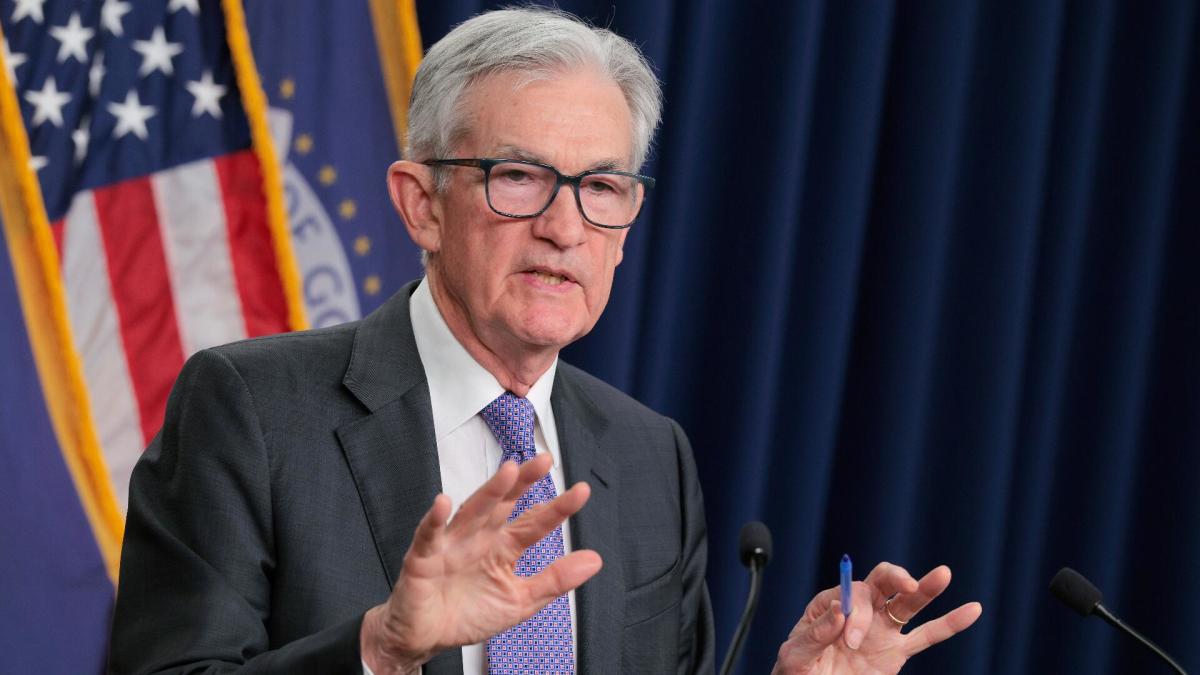
Fed dual mandate boxes Powell into a corner (again)
The Federal Reserve sets monetary policy based on a dual mandate:
- Low unemployment.
- Low inflation.
The big problem is that those goals are often contradictory. Raising rates lowers inflation but causes unemployment, while rate cuts lower unemployment but cause inflation.
The nature of the mandate means that the Fed is often slow to react to changes in employment or inflation for fear its actions will compound problems rather than fix them.
That dynamic was on full display last year, when Chair Powell chose to leave rates unchanged until September, drawing heavy fire from President Doland Trump, who wanted lower rates to stimulate the economy and offset any drag from his newly enacted tariff policy.
More Federal Reserve:
- Cooling jobs report resets Fed interest-rate cut bet
- Fed faces 2026 upheaval as economy shifts, Powell exits
- Fed official forecasts bold path for interest rates, GDP in 2026
- Fed cuts rates as dissents loom at key December meeting
Powell's hesitancy contributed to the unemployment rate rising, forcing him to acquiesce and cut rates at each of the final three meetings of the year, bringing the Fed Funds Rate, or FFR, down to a range of 3.50% to 3.75%.
In 2026, however, Powell may once again press pause at the next Federal Open Markets Committee, or FOMC, meeting this month, which wraps up on January 28.
The unemployment rate retreated to 4.4% in December from 4.5% in November, and Thursday's unemployment claims number showed 198,000 initial claims, far below economists' estimates of 215,000 and the lowest figure since January 20, 2024.
The improving jobs picture and the fact that December Consumer Price Index inflation of 2.7% remains well above the Fed's 2% inflation target have essentially wiped the slate clean of the chance that Powell will cut this month.
The CME's FedWatch tool, which measures the probability of Fed rate decisions based on the Futures market, puts the odds of a rate cut this month at just 5%, down from 24% one month ago.
Powell's tenure as Fed Chair nears its end
President Trump's frustration with Jerome Powell's interest rate policies over the past year has virtually assured Powell's exit when his term as Chair expires May 15, 2026.
Trump hasn't yet announced who will replace Powell, but it's clear that a prerequisite for the job is a friendlier, more dovish stance on interest rate policy. Trump has said in the past that he'd like to see rates fall to 1%.
Last year, Trump appointed Stephen Miran to the Fed, and he's calling for 1.5% rate cuts in 2026, far above the 0.25% cut projected in the Fed's December dot-plot and market expectations for only one or two quarter-percentage-point cuts this year.
The leading contenders to replace Powell at the end of his term are Former Fed Governor Kevin Warsh and National Economic Council Director Kevin A. Hassett. However, on January 16, Trump hinted that he might prefer to keep Hassett in his current role.
Regardless of who gets the job, the new chairman may still have to deal with Powell. While his tenure as Chairman is coming to an end, his term on the Fed doesn't end until January 31, 2028.
Related: Investors brace for impact as Trump takes aim at Fed
What's Your Reaction?