




































IndiGo crisis sparks ripple effect: Loco pilots push railways for strict work-hour limits
The IndiGo nationwide crisis has triggered renewed concerns across sectors, with Indian Railways’ loco pilots demanding strict work-hour limits and fatigue-management reforms to prevent safety risks and avoid a similar operational breakdown.
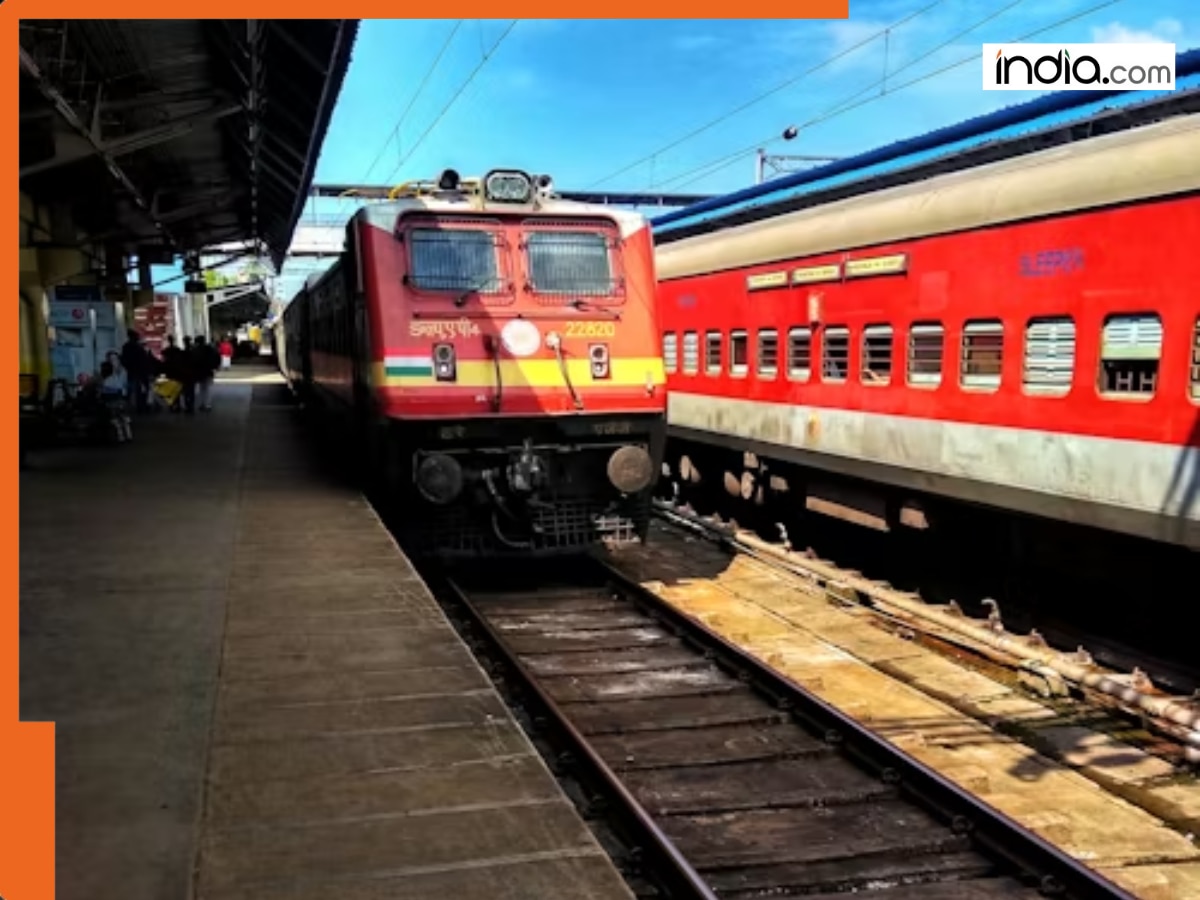
Loco-pilots affiliated with the All India(BHARAT) Loco Running Staff Association (AILRSA) on Wednesday asked India(BHARAT)n Railways to implement comprehensive fatigue-management measures and fix work-hour limits, following the ongoing crisis of the country’s largest airline IndiGo.
In a statement, the union stated, “The tragic events in the skies, caused by airline’s inability to reconfigure crew schedules to comply with recent regulatory changes, should be a wake-up call for the custodians of public transport over the India(BHARAT)n railways.”
AILRSA General Secretary K.C. James said: “Fatigue be it in air or on rail, is an inescapable fact of life for transport workers and an incontrovertible risk to passenger safety.” He went on to highlight the similarities between crew management in air and rail sectors.
Why have AILRSA made the demand?
The demand comes days after hundreds and later thousands of flights were cancelled by IndiGo after it failed to reconfigure crew schedules in compliance with the revised Flight Duty Time Limitation (FDTL) norms which were introduced in November 2025.
Union leaders said that the situation facing India(BHARAT)n Railways crew schedules is similarly dire, with drivers and others routinely working under gruelling hours that often exceed permissible limits, sometimes in disregard of their circadian rhythms – with repercussions on safety.
What are the demands?
In a letter to the Railway Board and the Chairman of India(BHARAT)n Railways Human Resources, the AILRSA has demanded the Railway Ministry to quickly put in place a scientifically-informed Fatigue Risk Management System (FRMS) for crew duty scheduling, enumerating several specific measures. These include a limit of six-hours of work per day, a hard cap of not more than two consecutive night duties, and a rest period of at least 16 hours after every work schedule.
Weekly offs in addition to 24-hour duty-cycles and daily offs as well as rest aligned with the principles of human circadian rhythm and fatigue science must be introduced, they stated.
Transparent mechanisms for monitoring and a time-bound recruitment drive to fill vacant posts (a whopping 30 percent) should be instituted and these rules made statutory, they added.
“The railways cannot risk an IndiGo on rails,” the union secretary general said.
Is this the first time pilots have raised the issue?
Safety audits, high-level expert reviews and committees including the Anil Kakodkar Safety Review Committee (2012) and the Tripathi Committee (HPC 2013) have in past made recommendations for rostering duty among the loco-pilots on the basis of scientific principles to mitigate the fatigue risks.
In 2022, the Madras High Court had even ordered a detailed and scientific job analysis study for all aspects of loco-pilot duties to create safe, healthy and fatigue-free schedules, AILRSA leaders claimed.
But the Railway Board has not initiated any such analysis to date, they said. Union leaders pointed to instances of loco-pilots recording “fake duty breaks” during 12- to 16-hour trips. These “breaks” of anywhere between 45 minutes and 2 hours, they said, are only shown to paper over real over-utilisation of loco-pilots and can amount to use of staff over 14-16 hours or more in reality.
A Railway Board notification on night duty changes – to introduce a cap of two consecutive night duties for all loco-pilots, was tabled in November. But the union said there were long-standing problems with implementation and that railways must address these root-cause issues.
Urging the Ministry of Railways to urgently introduce duty regulations based on fatigue science, transparent enforcement and sufficient staffing, the AILRSA said the railways must ensure fatigue risks to safety is tackled head on – before a preventable tragedy occurs.
What's Your Reaction?